Pakistan recently launched a comprehensive nationwide study on air pollution in Lahore and beyond. This ambitious initiative brings together scientists, government agencies, and public health advocates in a united effort. The survey spans major cities and rural areas across the country. It reveals alarming levels of air contamination. The findings, reported in the Latest Pakistan News, underscore urgent concerns for public well-being. In fact, the results demand immediate attention and collective action. As a leading voice in Lahore, Chal Pakistan now raises public awareness about environment, and community welfare. In this article, I analyze the study’s results, explore its implications on health and quality of life, and suggest practical steps individuals and communities can take.
Background: Air Pollution in Pakistan
Air pollution has plagued Pakistani cities for decades. Industrial emissions, vehicular exhaust, open burning of waste, and crop residue burning all contribute heavily. Furthermore, geographical factors like dust storms and limited ventilation in dense urban areas worsen the problem. Many cities report consistently high levels of particulate matter (PM2.5 and PM10). Nightly smog, poor visibility, and respiratory complaints during winters have become common. Consequently, public health, environmental balance, and daily lifestyle endure significant strain.
Goals of the Nationwide Study
The nationwide study aimed to collect accurate, up‑to‑date data on air pollution across provinces. Specifically, researchers sought to measure particulate matter concentration, document seasonal variation, identify main pollution sources, and assess health implications. Moreover, the study aimed to highlight vulnerable populations—children, elderly, and people with chronic illnesses. Finally, experts wanted to provide evidence-based recommendations to policymakers. The goal remains clear: to protect citizens’ well‑being and promote a healthier, more sustainable future in Pakistan.
Methodology and Scope
Researchers placed air quality monitors in over 150 monitoring stations across urban and rural areas. These stations recorded hourly values of PM2.5, PM10, nitrogen dioxide (NO₂), sulfur dioxide (SO₂), and ozone (O₃). They collected data across all four seasons—summer, monsoon, autumn, and winter. Researchers also performed random household surveys, asking residents about respiratory symptoms, frequency of coughing or wheezing, hospital visits, and general health issues. Experts compiled additional data on factory emissions, vehicle density, waste-burning events, and crop-residue burning periods. Then scientists analyzed all data to correlate pollution peaks with health complaints.
Key Findings: Pollution Levels and Hotspots
The results show that many urban centers far exceed safe limits for air quality. In cities like Lahore, Karachi, Faisalabad, and Gujranwala, average PM2.5 levels remain several times higher than guidelines recommended by global health bodies. Seasonal fluctuations emerged strongly. During winter—especially November through February—smog becomes thick and pollution peaks dramatically. Crop-residue burning in nearby rural areas adds spikes of particulate matter. In industrial zones, factory emissions and heavy diesel truck traffic contribute significantly. Surprisingly, some smaller towns near brick kilns or tanneries also show dangerously high pollution. Even rural areas, once believed to be relatively clean, suffer poor air quality during harvest and burning seasons.
Impact on Public Health and Quality of Life
The study paints a worrying picture for public health. High pollution correlates with increased reports of asthma, bronchitis, chronic cough, and other respiratory illnesses. Researchers note a rise in emergency hospital visits for breathing difficulties during high-pollution days. Children and elderly populations bear the greatest burden. Frequent exposure to polluted air weakens immune response and reduces lung capacity over time. Many respondents complained of eye irritation, headaches, and fatigue — signs of prolonged exposure.
Beyond physical health, polluted air affects mental well‑being and general lifestyle. People often avoid morning and evening walks. Outdoor sports, social gatherings, and everyday commuting become unpleasant. Families closed windows to keep out smog, sacrificing fresh air and proper ventilation. Children spent more time indoors, limiting play and physical activity. Such lifestyle shifts reduce overall quality of life and curb physical fitness. In short, pollution not only threatens survival — it damages daily happiness and community vibrancy.
Why This Study Matters
First, this rigorous research offers reliable data — more thorough than sporadic, short‑term measurements. Secondly, it reveals that pollution affects not only big cities but also rural and semi‑urban regions. Third, it establishes a direct link between air quality and people’s health and daily lifestyle. Finally, it arms policymakers, NGOs, and civil society with evidence to demand change. As citizens, we now hold concrete proof of danger. We can no longer ignore smog, dust storms, and emissions as mere nuisances.
Regional Focus: Lahore’s Struggle with Air Quality
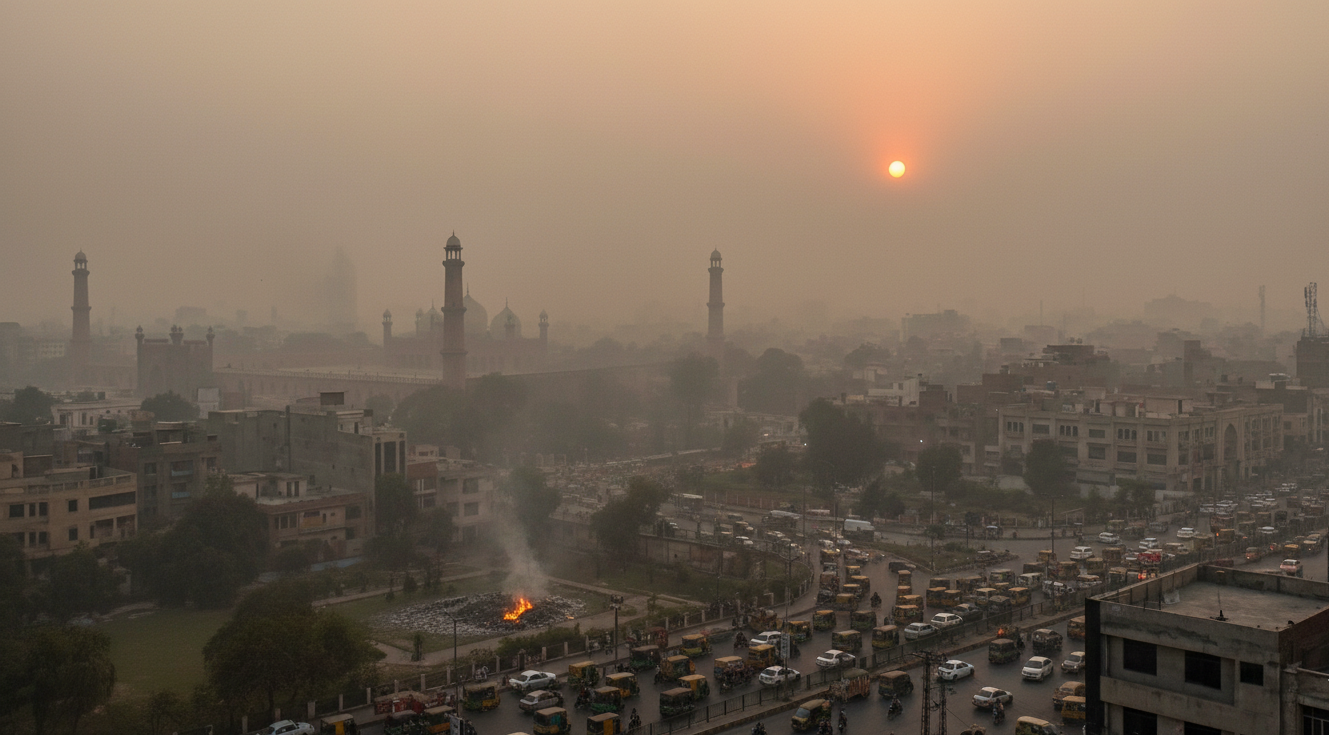
Lahore stands among the worst‑hit cities in the study. Monitors across multiple districts registered alarmingly high PM2.5 levels — sometimes five to six times beyond safe thresholds. Winter smog becomes so dense that visibility drops within hours. Residents wake up coughing, and children often stay indoors. During peak pollution days, school attendance drops. Families avoid outdoor excursions. Cyclists and motorbike riders endure gritty air on daily commutes. Local workers — especially those in construction and factories — face serious health risks.
In response, community organizations and media outlets have begun highlighting pollution as a public emergency. Chal Pakistan, for instance, has launched awareness campaigns, urging citizens to monitor air quality alerts, wear masks on high-pollution days, and minimize outdoor exposure.
Long-Term Impacts on Environment and Economy
Persistent air pollution harms not only health but also environment and economy. Pollutants settle on soil and water sources, damaging crops and contaminating groundwater. Reduced crop yields threaten food security, especially in farming communities. Meanwhile, increased health issues cause economic burden on families — medical expenses, lost work days, and lowered productivity. In cities, workers calling in sick due to pollution‑related illnesses impacts overall workforce efficiency. Tourism and outdoor businesses suffer as people avoid open spaces. In sum, polluted air undermines both human and economic vitality.
Practical Recommendations for Citizens
Individuals and communities can adopt steps to reduce pollution exposure and improve air quality. First, monitor daily air quality indexes provided by local authorities or environmental apps. On high‑pollution days avoid outdoor exercise. Instead, engage in indoor workouts or meditation. Second, wear protective masks (preferably N95 or similar) when air quality deteriorates. Third, reduce personal pollution contributions: minimize use of diesel vehicles, avoid open burning of trash, and advocate for cleaner energy in your communities. Fourth, grow indoor or balcony plants to improve air filtration in homes. Fifth, support local tree‑planting initiatives and green-space projects.
Policy-Level Recommendations
Government and policymakers must act decisively. They should enforce emission standards for industries and vehicles. Authorities must regulate brick kilns, tanneries, and factories to adopt cleaner technologies. Encourage use of public transport, electric vehicles, or bicycles to reduce vehicular emissions. Launch nationwide reforestation and urban greening schemes. Expand air‑quality monitoring networks and issue timely alerts to the public. Allocate funding for health clinics focused on respiratory diseases. Educate people about air pollution hazards and preventive measures.
The Role of Chal Pakistan
As a socially conscious organization based in Lahore, Chal Pakistan plays a pivotal role. We publish regular articles on environment, urban living, and health and lifestyle issues. We organize public seminars, distribute masks during smog seasons, and collaborate with local schools to educate children about clean air habits. Moreover, we partner with community leaders to plant trees and advocate for sustainable urban planning. Through media campaigns, we urge officials to act, and citizens to stay informed. By highlighting pollution’s effects on everyday well‑being, we strive to inspire collective action.
Why “Health and Lifestyle” Should Be Everyone’s Concern
Often people focus on visible threats like illnesses or accidents. However, chronic exposure to polluted air silently damages lungs, weakens immune systems, and degrades overall quality of life. Thus, the concept of health and lifestyle transcends diet or exercise. It requires clean air, safe environment, and conscious daily habits. In Pakistan — especially in urban hubs like Lahore — we must realize that a healthy lifestyle depends significantly on environmental quality. Therefore, we should treat clean air as a basic necessity, just like nutritious food or safe drinking water.
Conclusion
The nationwide study on air pollution offers a stark wake‑up call for Pakistan. It reveals that air quality threats go beyond occasional smog — they persist, vary by season, and affect both cities and rural zones. The health implications remain serious, especially for vulnerable populations. Daily habits, community welfare, environment, and economy all suffer. However, this challenge also presents an opportunity. Citizens, communities, nonprofits, and governments can unite to improve air quality and public well‑being. Through collective efforts we can transform polluted air into fresh breezes, smoggy skies into clear horizons, and compromised health into thriving vitality. At Chal Pakistan, we commit to this mission — and we invite every citizen to join. Because ultimately, clean air means healthier lives and brighter futures.
FAQ
What does the nationwide study on air pollution cover?
The study measures particulate matter (PM2.5, PM10), gaseous pollutants (NO₂, SO₂, O₃), records seasonal variation, surveys health symptoms, and tracks emission sources nationwide.
Which areas of Pakistan show worst pollution levels?
Major urban centers like Lahore, Karachi, Faisalabad, and Gujranwala report highest pollution. Surprisingly, certain rural and semi‑urban zones near industrial or agricultural burning zones also display dangerous levels.
How does air pollution affect my daily lifestyle?
Pollution lowers air quality, forces people indoors, discourages outdoor exercise or walks, reduces outdoor social activities, and weakens overall lifestyle quality.
Who suffers most from polluted air?
Children, elderly, people with asthma or chronic diseases, pregnant women, and daily outdoor workers face highest risks.
What practical steps can I take to protect myself?
Monitor air quality indexes daily, wear protective masks on high-pollution days, avoid outdoor workouts when air quality is poor, use public transport or avoid diesel vehicles, and support tree‑planting initiatives.
What should policymakers do to combat air pollution?
They should enforce strict emission standards for industries and vehicles, regulate brick kilns and factories, expand air‑quality monitoring, fund health clinics, and promote public transport or cleaner vehicle use.
Can planting trees really improve air quality?
Yes. Trees and plants act as natural air filters. Greening urban spaces reduces particulate matter and improves overall air freshness, benefiting community health and lifestyle.
Does air pollution only harm health temporarily?
No. Prolonged exposure causes chronic respiratory problems, weakens immune systems, and degrades long‑term quality of life.
How often should I check air quality?
Check daily, especially before planning outdoor activities. Monitor during peak pollution seasons—winter and crop‑burning periods.
How does Chal Pakistan contribute to addressing air pollution?
Chal Pakistan raises awareness through articles, organizes seminars, distributes protective masks, collaborates on tree‑planting drives, and urges policy reforms to safeguard clean air and public well‑being.