By ChalPakistan, Lahore
A single virus can change how societies think about health, safety, and preparedness. Over recent months, renewed surveillance alerts across South Asia have pushed the Nipah virus back into public discussion. Health officials, doctors, and families now ask urgent questions about what this virus actually does inside the human body and why authorities treat it with such seriousness.
This article explains the human impact of the Nipah virus using verified facts, clinical evidence, and public health data. It answers who becomes infected, what happens after infection, when symptoms appear, where transmission usually occurs, and why medical experts consider this virus a critical global health concern. The focus remains on clarity, accuracy, and trust.
Understanding the Nipah virus
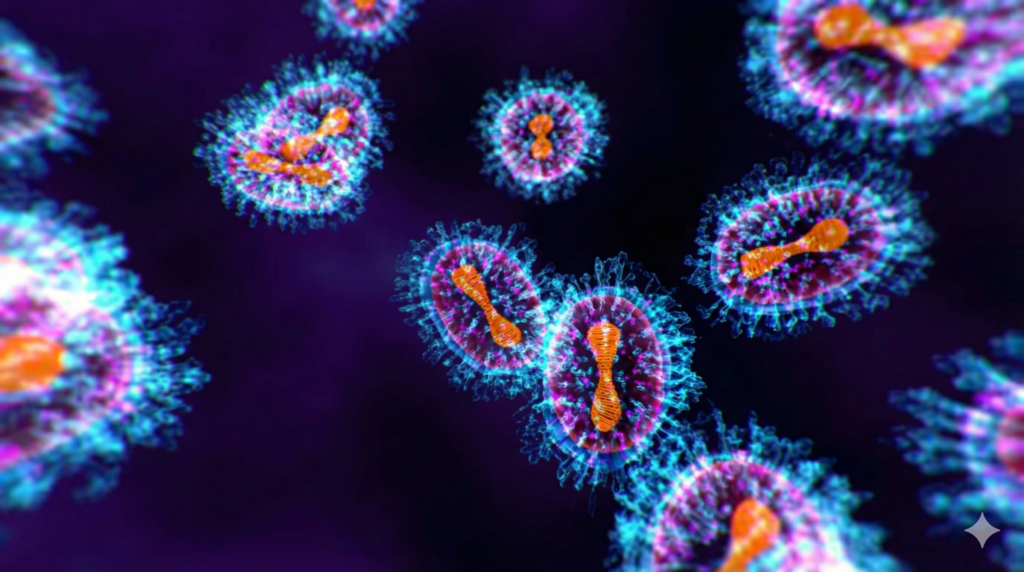
The Nipah virus is a zoonotic pathogen, meaning it spreads from animals to humans. Scientists first identified it in 1999 during an outbreak among pig farmers in Malaysia. Since then, cases have appeared mainly in South and Southeast Asia, especially in Bangladesh and India.
Fruit bats serve as the natural host. Humans contract the virus through contaminated food, direct contact with infected animals, or close contact with infected people. Once the virus enters the body, it attacks multiple systems, particularly the brain and respiratory tract.
Public health agencies track Nipah closely because no specific cure exists and fatality rates remain high.
Why the virus draws attention today
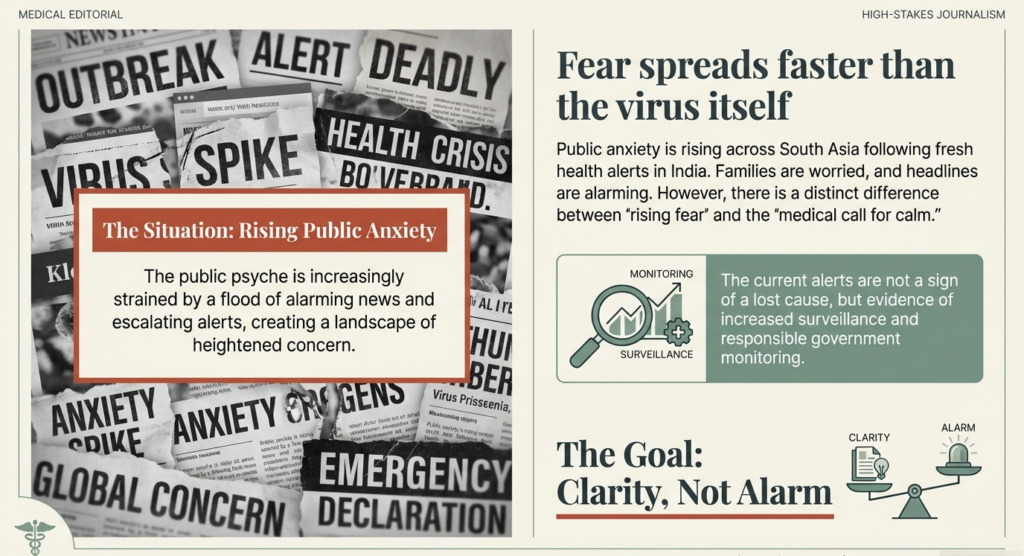
Recent monitoring updates and regional alerts have brought the Nipah virus back into headlines. Health ministries across South Asia remain on alert due to the virus’s ability to cause sudden outbreaks with severe outcomes.
The discussion around nipah virus transmission reflects preparedness rather than panic. Experts emphasize early detection, isolation, and public awareness to prevent wider spread. While case numbers remain low, the consequences of delayed response can be severe.
Who gets infected most often
People living near bat habitats face higher exposure risk. Farmers, fruit collectors, and individuals consuming raw date palm sap encounter greater danger. Family members and caregivers of infected patients also face risk due to close contact.
Healthcare workers become vulnerable when hospitals fail to detect cases early. Several past outbreaks involved hospital-based transmission due to delayed diagnosis.
Age does not protect against infection, but children and older adults often develop more severe complications.
Where infections usually begin
Most human infections occur in rural or semi-rural areas. Dense vegetation, bat populations, and traditional food practices increase risk.
Bangladesh reports frequent seasonal cases. India has documented outbreaks, particularly in Kerala. Other countries in the region monitor closely but report fewer confirmed cases.
Urban spread remains limited due to faster detection and stronger healthcare infrastructure.
When symptoms start after exposure
Symptoms usually appear within four to fourteen days after exposure. This incubation period varies based on viral load and immune response.
Early detection during this window plays a crucial role in survival. Delayed recognition allows the virus to progress rapidly, increasing complications.
Health authorities recommend monitoring close contacts for at least three weeks.
What happens inside the human body
Once the virus enters the body, it begins replicating in respiratory and nerve cells. The immune system responds aggressively, often causing inflammation.
The virus can cross the blood-brain barrier, leading to encephalitis. This inflammation disrupts brain function and triggers severe neurological symptoms.
The lungs may also suffer damage, leading to breathing difficulties and oxygen deficiency.
Early symptoms of Nipah infection
Initial symptoms often resemble common viral illnesses. Patients experience fever, headache, muscle pain, and fatigue.
Some develop sore throat, cough, or nausea. These early signs make diagnosis difficult without awareness of exposure history.
Doctors rely on symptom progression and laboratory tests to confirm infection.
Severe symptoms and complications
As the infection advances, neurological symptoms appear. Patients may experience dizziness, confusion, seizures, and altered consciousness.
Many patients slip into coma within days. Respiratory failure may occur due to lung inflammation.
Fatality rates range from 40 to 75 percent depending on outbreak response speed and healthcare access.
How nipah virus transmission occurs
Understanding nipah virus transmission remains critical to prevention. The virus spreads through contaminated food, especially raw fruits or date palm sap exposed to bats.
Direct contact with infected animals such as pigs also spreads the virus. Human-to-human transmission occurs through close contact, bodily fluids, and respiratory droplets.
Hospitals become high-risk environments without strict infection control practices.
Why human-to-human spread worries experts
Unlike many zoonotic viruses, Nipah can spread between humans. This capability increases outbreak potential.
Close caregiving, shared living spaces, and medical treatment settings amplify transmission risk. Past outbreaks demonstrated clusters among families and healthcare workers.
This feature places Nipah among viruses that demand constant vigilance.
Diagnosis and testing methods
Doctors diagnose Nipah through laboratory tests, including PCR analysis and antibody detection. Early testing improves outcomes and limits spread.
Specialized laboratories handle samples due to biosafety requirements. Health authorities coordinate testing during suspected outbreaks.
Quick diagnosis supports effective isolation and treatment.
Treatment options for patients
No antiviral drug specifically targets Nipah virus. Doctors provide supportive care based on symptoms.
Treatment focuses on managing fever, seizures, and respiratory distress. Intensive care units support severe cases.
Experimental treatments continue under research protocols, but prevention remains the primary defense.
Recovery and long-term effects
Some survivors experience long-term neurological issues. These include memory loss, personality changes, and seizure disorders.
Rehabilitation and follow-up care help manage these effects. Recovery timelines vary widely.
Long-term monitoring ensures early detection of relapse, which has occurred in rare cases.
Mortality rates and survival factors
Survival depends on early detection, supportive care quality, and patient health. Young, otherwise healthy individuals may recover with timely treatment.
Delayed hospitalization increases mortality risk significantly. Community awareness plays a key role in early reporting.
The seriousness of nipah virus transmission explains why authorities react quickly even to single suspected cases.
Public health response strategies
Governments activate emergency protocols during suspected outbreaks. These include contact tracing, quarantine enforcement, and public advisories.
Hospitals establish isolation wards and restrict visitor access. Authorities communicate guidelines through media channels.
Coordinated responses reduce transmission and fatalities.
Role of community behavior
Community cooperation determines outbreak outcomes. Avoiding raw foods, practicing hygiene, and reporting symptoms early reduce risk.
Education campaigns help communities understand nipah virus transmission pathways.
Trust between authorities and citizens strengthens compliance.
Global health perspective
The World Health Organization classifies Nipah as a priority disease. Global research initiatives focus on vaccine development and early warning systems.
International collaboration supports regional preparedness. Shared data improves response strategies.
Nipah’s pandemic potential keeps it under constant global watch.
Impact on healthcare systems
Even small outbreaks strain healthcare resources. Isolation wards, protective equipment, and staff training demand rapid mobilization.
Hospitals must balance routine care with outbreak response. Preparedness planning reduces disruption.
Healthcare resilience remains essential.
Social and economic consequences
Outbreak alerts affect local economies. Travel restrictions, school closures, and business slowdowns occur during investigations.
Families face emotional stress due to isolation and uncertainty. Clear communication helps reduce fear.
Preparedness shortens recovery time.
What this means for Pakistan
Pakistan has not reported confirmed Nipah cases. However, authorities monitor regional developments closely.
Surveillance systems and awareness campaigns remain active. Cross-border information sharing supports readiness.
Learning from neighboring countries strengthens national health security.
Why awareness matters now
Awareness empowers prevention. Understanding symptoms, transmission routes, and response steps saves lives.
Responsible journalism supports public trust. Accurate information prevents panic and misinformation.
The renewed focus on nipah virus transmission reflects preparedness, not alarm.
Final assessment of human impact
The Nipah virus causes severe illness by attacking the brain and lungs. Its high fatality rate demands respect and vigilance.
Early detection, supportive care, and community cooperation limit damage. While rare, the virus remains dangerous.
Prepared systems and informed citizens keep outbreaks contained.
Read Trusted Stories, Breaking News & In-Depth Blogs – Start Exploring ChalPakistan
Frequently Asked Questions
What does Nipah virus do to the human brain?
It causes inflammation that leads to confusion, seizures, and coma.
How does Nipah virus enter the body?
Through contaminated food, animal contact, or close human contact.
Is Nipah virus always fatal?
No, but fatality rates remain high without early care.
Can Nipah spread through air over long distances?
No, it spreads through close contact and droplets.
Why is nipah virus transmission dangerous?
Because it allows both animal-to-human and human-to-human spread.
Are children at higher risk?
Children can develop severe complications if infected.
Is there a cure for Nipah virus?
No specific cure exists yet.
Can recovered patients relapse?
Rare relapses have occurred, requiring follow-up care.
How can people protect themselves?
By avoiding raw foods and practicing hygiene.
Why does Nipah concern global health experts?
Its severity and outbreak potential raise concern.