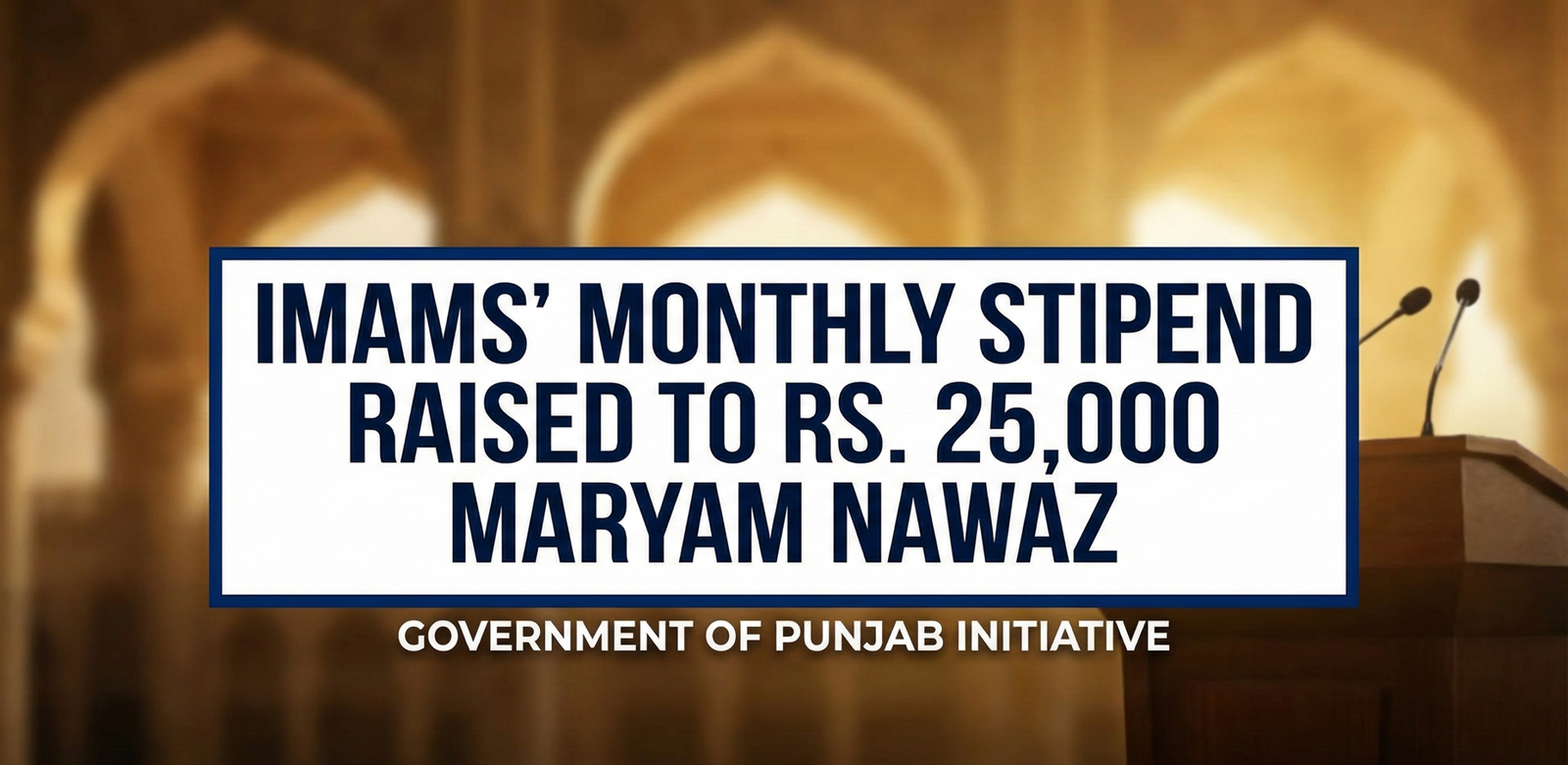
The announcement that imams’ monthly stipend has been raised to Rs. 25,000 has sparked widespread discussion across Pakistan. This decision highlights a growing recognition of the social, religious, and community role that mosque imams play in daily life. At Chal Pakistan in Lahore, Pakistan, we observe how policy decisions shape narratives, influence public sentiment, and reflect changing priorities. The Imams salary increase 2026 marks a significant step toward economic dignity for religious leaders who guide communities spiritually and socially.
Moreover, this announcement connects governance with grassroots realities. Mosques function as centers of guidance, education, and unity. Therefore, financial support for imams directly affects community stability. This article explores the background, implications, and broader meaning of the Imams salary increase 2026, while examining how leadership decisions influence social harmony.
Understanding the Announcement
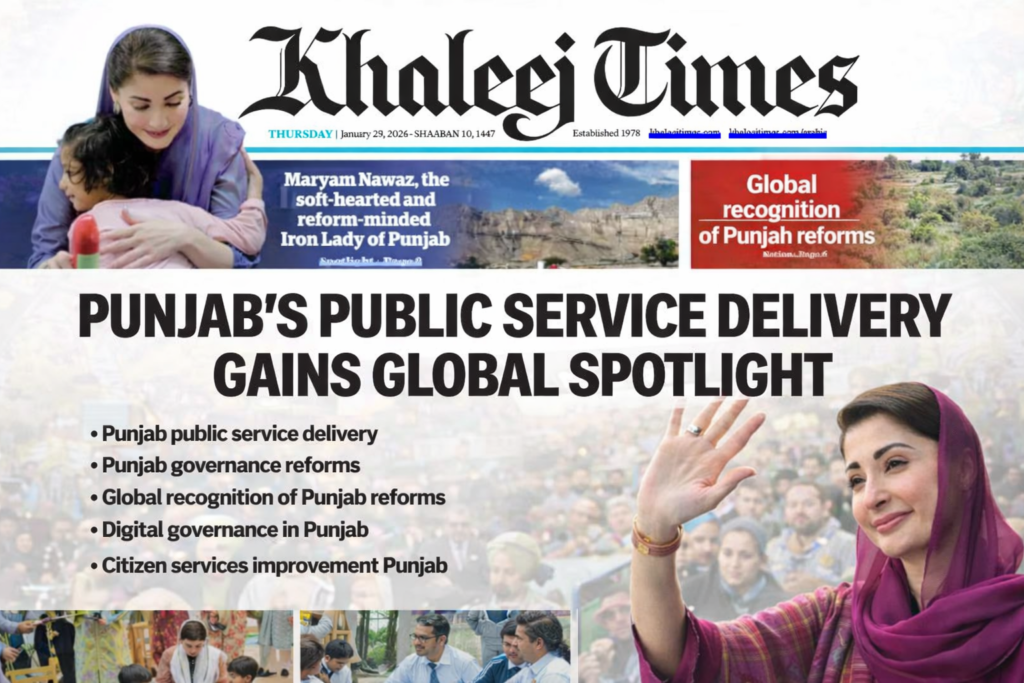
The stipend increase announcement came under the leadership of Maryam Nawaz, reflecting an effort to strengthen institutional support for religious figures. This move responds to long-standing concerns about rising living costs and financial pressures faced by imams.
Additionally, the decision acknowledges the essential services imams provide beyond sermons. They counsel families, mediate disputes, and guide youth. As a result, the Imams salary increase 2026 recognizes their expanded responsibilities in modern society.
Why Financial Support for Imams Matters
Imams often serve as moral anchors within communities. However, limited income has historically restricted their ability to meet personal and family needs. When financial stress dominates daily life, community service suffers.
Therefore, increasing stipends improves focus, stability, and dedication. The Imams salary increase 2026 allows religious leaders to concentrate on guidance rather than survival. This shift benefits entire neighborhoods.
Economic Context Behind the Decision
Pakistan faces inflationary pressure that affects all professions. Rising utility costs, food prices, and education expenses strain household budgets. Imams, like other workers, feel these pressures acutely.
Consequently, adjusting stipends aligns religious compensation with economic realities. The Imams salary increase 2026 responds to inflation while promoting fairness and social balance.
Strengthening Community Institutions
Mosques function as more than prayer spaces. They host educational sessions, charity drives, and conflict resolution efforts. Well-supported imams enhance these initiatives.
With improved income, imams can invest time and energy into community development. Thus, the Imams salary increase 2026 strengthens institutional effectiveness at the grassroots level.
Public Reaction and Social Impact
Public response to the stipend increase has remained largely positive. Many citizens view the decision as overdue recognition of religious service.
Furthermore, the announcement has sparked dialogue about broader welfare reforms. People increasingly expect policies that uplift essential community contributors. In this way, the Imams salary increase 2026 influences wider expectations from leadership.
Governance and Religious Harmony
Balancing governance with religious inclusivity requires sensitivity. Financial recognition supports religious harmony without politicizing faith.
This approach promotes respect and unity across social groups. By supporting imams financially, the Imams salary increase 2026 encourages moderation, stability, and constructive engagement.
Leadership Image and Policy Messaging
Leadership decisions shape public narratives. This stipend increase sends a message of empathy and responsiveness.
From a storytelling perspective, such actions reinforce trust. Chal Pakistan recognizes how policy decisions create strong narratives rooted in social responsibility. The Imams salary increase 2026 enhances leadership credibility through tangible action.
Comparison with Previous Policies
Earlier stipend programs offered limited financial relief. Over time, inflation reduced their effectiveness. This adjustment signals progress rather than stagnation.
By updating compensation, authorities demonstrate adaptability. The Imams salary increase 2026 contrasts with past policies by addressing present-day needs realistically.
Religious Leadership in Modern Society
Modern imams face evolving challenges. Social media influence, youth engagement, and ideological polarization require informed leadership.
Financial stability enables education and training opportunities. Therefore, the Imams salary increase 2026 supports capacity building within religious leadership.
Media Coverage and Public Narrative
Media outlets have highlighted the announcement prominently. Headlines emphasize dignity, recognition, and social justice.
As a film industry copywriter, I understand narrative framing. Positive coverage shapes collective perception. The Imams salary increase 2026 emerges as a story of respect and progress.
Economic Ripple Effects
Increased stipends circulate money within local economies. Imams spend earnings on goods, education, and services.
This circulation supports small businesses and households. Consequently, the Imams salary increase 2026 generates indirect economic benefits beyond religious institutions.
Addressing Critics and Concerns
Some critics question fiscal sustainability. However, supporters argue that social stability justifies investment.
Transparent budgeting and accountability address these concerns. When implemented responsibly, the Imams salary increase 2026 balances welfare with fiscal discipline.
Role of Faith in Social Stability
Faith institutions often provide emotional resilience during crises. Imams guide communities through hardship and uncertainty.
Supporting them financially reinforces societal resilience. The Imams salary increase 2026 strengthens faith-based support systems during challenging times.
Youth Engagement and Education
Imams influence youth values significantly. Financial stability allows greater focus on education programs and mentorship.
This engagement counters negative influences and promotes constructive dialogue. Hence, the Imams salary increase 2026 supports long-term social development.
Chal Pakistan’s Perspective on Social Policy
At Chal Pakistan, we analyze how policy intersects with culture and storytelling. This stipend increase represents more than economics.
It reflects acknowledgment of unseen labor and moral guidance. The Imams salary increase 2026 aligns with narratives of dignity and inclusion.
Broader Implications for Welfare Reform
This decision may inspire similar reforms for other community workers. Teachers, caregivers, and social leaders also seek recognition.
Therefore, the Imams salary increase 2026 could signal a shift toward comprehensive welfare thinking.
Cultural Significance of the Announcement
In Pakistani society, respect for religious figures runs deep. Financial recognition reinforces cultural values of honor and service.
The announcement resonates emotionally because it validates long-held beliefs. The Imams salary increase 2026 carries cultural as well as economic weight.
Long-Term Expectations and Accountability
Sustainable implementation requires monitoring and transparency. Regular reviews ensure fairness and effectiveness.
By maintaining accountability, authorities protect public trust. The Imams salary increase 2026 succeeds best when supported by consistent oversight.
Conclusion
The decision to raise imams’ monthly stipend to Rs. 25,000 marks a meaningful step toward social recognition and economic dignity. It acknowledges the evolving role of religious leaders in modern society while addressing practical financial challenges.
For communities across Lahore and Pakistan, the Imams salary increase 2026 represents progress rooted in respect, stability, and inclusive governance. At Chal Pakistan, we view this development as a powerful example of how thoughtful policy strengthens both institutions and narratives.
FAQs
What is the Imams salary increase 2026?
It refers to the decision to raise imams’ monthly stipend to Rs. 25,000 starting in 2026.
Who announced the stipend increase?
The announcement came under the leadership of Maryam Nawaz.
Why was the stipend increased?
Rising living costs and recognition of community service drove the decision.
How does this affect local communities?
Financial stability allows imams to focus more on guidance and community support.
Does this policy support religious harmony?
Yes, it promotes respect and stability within society.
Will this impact the economy?
Increased income circulates locally, benefiting households and businesses.
Are there concerns about sustainability?
Some critics raise concerns, but supporters emphasize social value.
Does this change influence youth engagement?
Yes, stable leadership encourages better youth education and mentorship.
Will similar reforms follow for others?
The move may inspire broader welfare reforms.
Why does Chal Pakistan highlight this issue?
Because it reflects how policy decisions shape culture, dignity, and social narratives.