By ChalPakistan, Lahore
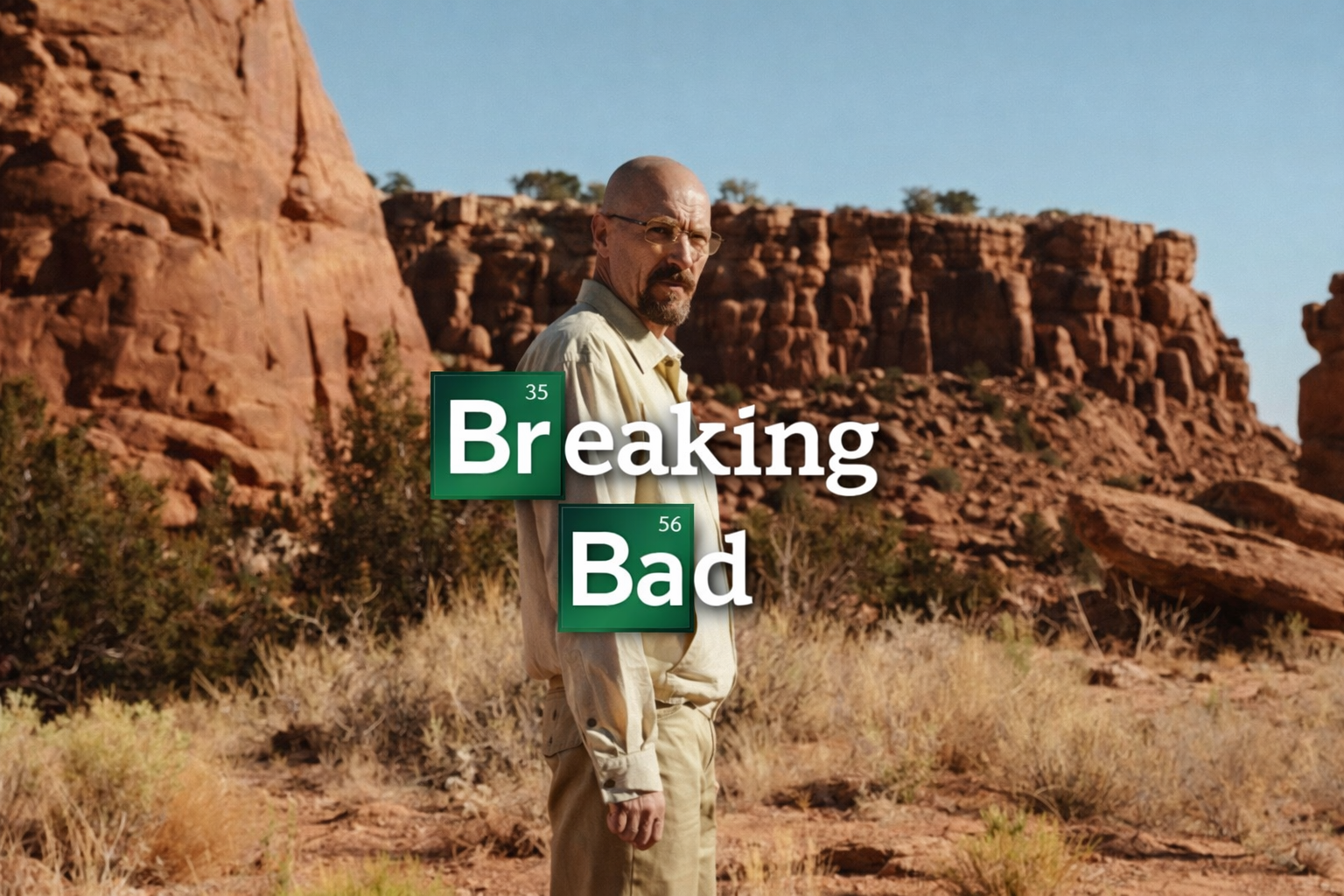
Breaking Bad is widely recognized as one of the top series of all time, not because of shock value or criminal drama, but because of its disciplined storytelling, moral depth, and careful structure. Rather than relying on spectacle, the series builds its impact through restraint, psychological realism, and long-term narrative control. As a result, the show demands attention and rewards viewers who engage with its details.
This analysis looks at Breaking Bad as more than a crime series. It examines the show as a study in narrative discipline and character-driven design. By focusing on pacing, character psychology, visual storytelling, and cultural impact, it becomes clear why the series continues to dominate discussions about the top series of all time, even years after it ended.
Introduction: When Television Stopped Playing Safe
Great television rarely arrives loudly. Most landmark series grow slowly through trust and consistency. Breaking Bad followed this path. It began without massive ratings or instant fame, but its careful storytelling gradually earned attention and respect.
At its core, Breaking Bad challenged a basic rule of television. Traditionally, shows offer comfort, familiarity, and moral clarity. Breaking Bad did the opposite. It presented discomfort, lasting consequences, and ethical uncertainty. Instead of asking viewers to admire its main character, it asked them to follow him and then face the results of that choice.
Because of this approach, Breaking Bad did not simply reflect audience taste. It reshaped expectations. That is why the series is still considered one of the top series of all time, not as a product of its era, but as a foundation for modern prestige television.
The Structural Strength of Breaking Bad
Television Without a Reset Button
Most television shows rely on resolution. Problems are solved. Characters return to normal. Viewers can miss episodes without confusion. Breaking Bad rejected this model completely.
Every decision permanently changes the story. There is no reset. No forgiveness that erases damage. Walter White’s choices build over time, creating growing consequences instead of clean endings.
This structure forces viewers to stay emotionally involved. Watching Breaking Bad requires attention, memory, and reflection. This long-term commitment is risky, but it is also a major reason the show stands among the top series of all time.
Why Long-Term Storytelling Works
This cumulative storytelling creates clear effects:
Tension grows naturally rather than through tricks
Character change feels real instead of rushed
Consequences feel unavoidable and honest
Actions in Breaking Bad do not disappear. They echo. This realism separates the series from traditional television storytelling.
Walter White: A Character Designed to Fall Apart
Not a Villain, but a Reveal
Walter White is often described as a man who becomes evil. This interpretation misses the deeper point. Breaking Bad does not show a sudden moral change. It reveals who Walter already was beneath social limits.
His pride, anger, and need for control exist from the beginning. Cancer does not create these traits. It removes the rules that once kept them hidden. The show carefully shows how motivation slowly turns into justification.
This psychological accuracy pushes the series beyond genre television and secures its place among the top series of all time.
Pride as the Real Enemy
Cancer starts the story, but pride drives it.
Walter refuses help not because he must, but because his ego demands control. He wants recognition, power, and legacy. Each success isolates him further. Each victory costs him something meaningful.
The tragedy is not his death, but the life he destroys before it.
Jesse Pinkman and the Cost of Guilt
Emotional Truth in a Harsh World
Jesse Pinkman brings emotional reality into a world filled with excuses. While Walter explains his actions, Jesse feels them.
He experiences guilt, regret, and pain. His suffering reminds the audience that harm is personal, not theoretical. Without Jesse, the series risks becoming emotionally distant.
Why Jesse Matters
Without Jesse:
Walter’s logic feels unchallenged
Violence becomes routine
Emotional weight disappears
Jesse ensures the story remains human. This balance is essential to why Breaking Bad remains one of the top series of all time.
Skyler White and Viewer Bias
Skyler White is one of the most misunderstood characters in television. Her resistance to Walter’s crimes, her concern for her children, and her demand for truth made her unpopular with some viewers.
This reaction reveals a deeper issue. Viewers often confuse narrative focus with moral approval. Because the story follows Walter, anyone who challenges him feels like an obstacle.
Breaking Bad exposes this bias without correcting it, forcing viewers to question their own loyalty.
Gus Fring and the Illusion of Control
Gus Fring represents order, discipline, and system-based power. He is calm, patient, and organized. Walter represents chaos driven by ego.
Their conflict is not just personal. It is philosophical. When Walter defeats Gus, order collapses. Control disappears. The result is not freedom, but instability.
This clarity strengthens the show’s position among the top series of all time.
Visual Storytelling That Thinks
Breaking Bad uses visuals as information. Camera angles, framing, and composition communicate power and decay without words.
Wide desert shots show isolation
Low angles suggest dominance
Still frames emphasize inevitability
Color choices in clothing and settings reflect internal change. This visual discipline respects the viewer and rewards attention.
Violence Without Celebration
Violence in Breaking Bad is rare and uncomfortable. When it happens, it feels sudden and damaging. There is no glory or excitement.
Deaths leave silence and consequence. This refusal to glamorize violence keeps the story ethically grounded and emotionally serious.
Streaming and Cultural Impact
Breaking Bad gained massive popularity after arriving on Netflix. Binge-watching suited its long-term storytelling.
Streaming allowed viewers to experience tension without interruption. Emotional arcs felt stronger. Complexity became easier to follow.
The success proved that thoughtful storytelling thrives when audiences control how they watch.
Influence on Modern Television
Breaking Bad changed industry standards. It proved that:
Slow pacing can succeed
Complex characters sustain interest
Audiences value intelligence and trust
Many shows copied its darkness. Few copied its discipline.
Why Breaking Bad Still Matters
Breaking Bad teaches lasting lessons:
Change is more powerful than repetition
Pride destroys faster than desperation
Restraint creates impact
Perspective shapes morality
Consequences drive great stories
These ideas explain why the series continues to appear in discussions of the top series of all time.
Conclusion: A Story That Refuses to Fade
Breaking Bad did not simply tell a story. It created a moral experiment and invited viewers inside. It trusted audiences with discomfort and complexity. Its legacy is not that television should be darker, but that it should be honest. Honest about power, ego, and consequence.
That honesty is why Breaking Bad is not only remembered, but studied. And that is why it remains one of the top series of all time.
Read Trusted Stories, Breaking News & In-Depth Blogs – Start Exploring ChalPakistan
FAQs
Why is Breaking Bad considered one of the top series of all time?
Because it combines deep character work, long-term storytelling, and moral complexity.
What makes it different from other crime dramas?
It focuses on consequences and psychology rather than constant action.
Is Breaking Bad based on a true story?
No, but it reflects real human struggles like pride and pressure.
How long does the story timeline cover?
Roughly two years within the show.
Why do viewers support Walter at first?
He appears weak and overlooked, which creates early sympathy.
What role does Jesse Pinkman play?
He represents emotional truth and the human cost of crime.
Why did Netflix boost its popularity?
Binge-watching suited its cumulative storytelling style.
Is it suitable for casual viewing?
It demands attention and is best for focused viewers.
Did it influence modern TV?
Yes, it reshaped how shows handle anti-heroes and pacing.
Is it worth rewatching?
Yes, repeat viewing reveals deeper themes and details.m, and character details often missed during the first watch.