In Lahore, Pakistan, political tension has intensified due to statements made by Imran Khan, drawing national attention. According to Imran Khan Latest news, the former Prime Minister’s recent comments have prompted the ISPR to respond sharply, framing these remarks as a national security concern. Understanding this situation requires an exploration of political dynamics, military neutrality, and governance in Pakistan.
The ISPR’s Official Response
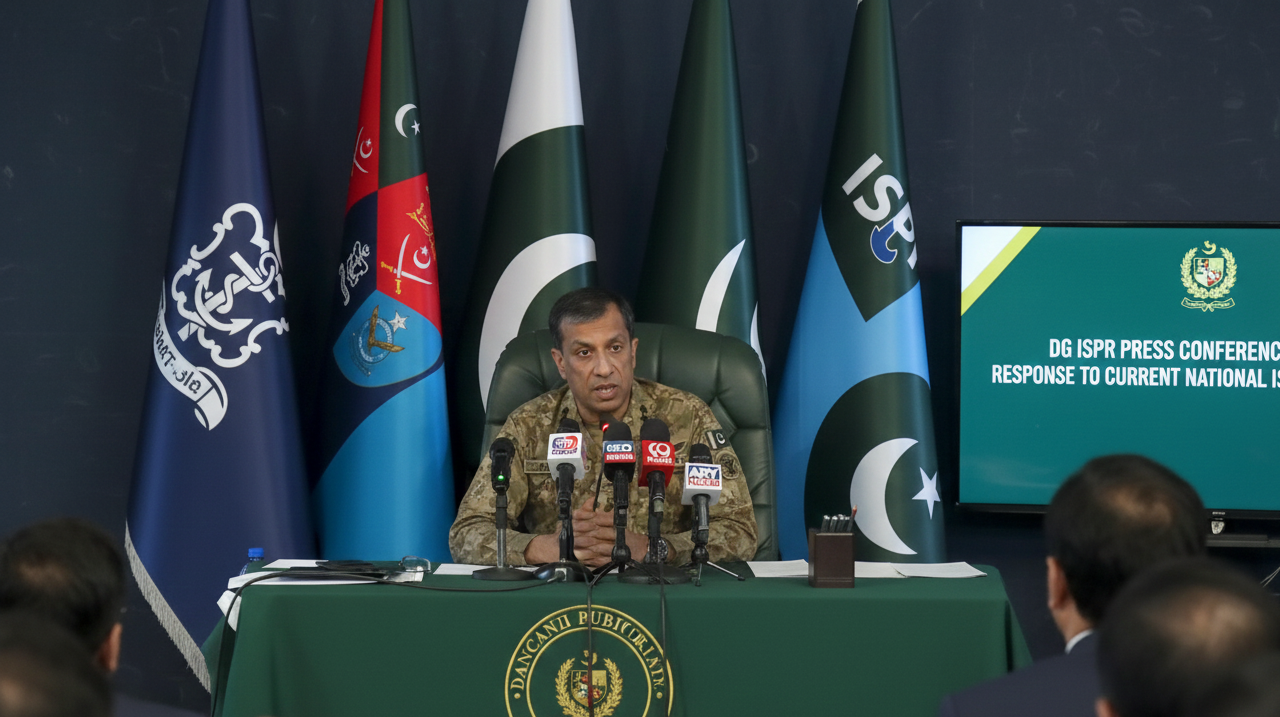
The Inter-Services Public Relations (ISPR) spokesperson, Lt Gen Ahmed Sharif Chaudhry, addressed the concerns stemming from Imran Khan’s rhetoric. The DG ISPR stated that these statements surpass ordinary political discourse, representing a threat to national stability. Highlighting the importance of maintaining public trust, the military asserted that actions undermining the army could have serious consequences.
Neutrality and Integrity of the Armed Forces
Lt Gen Chaudhry emphasized that the Pakistan Army remains neutral and inclusive. Soldiers from various ethnic, religious, and socio-economic backgrounds unite under one mission: safeguarding Pakistan. This commitment underscores that the military serves the nation rather than any political entity. Imran Khan Latest news has portrayed the army as politically biased, but the ISPR firmly denied thesclaims.
Impact of Imran Khan’s Statements
The DG ISPR noted that Imran Khan’s actions risk creating division between the public and the armed forces. While constructive criticism is welcome, inciting public opposition crosses a critical line. According to the ISPR, such rhetoric may indirectly serve foreign interests, including India and Afghan-based actors. Efforts to disrupt IMF agreements and encourage civil disobedience exemplify how political maneuvers can threaten both security and economic stability, as highlighted in Imran Khan Latest news.
Freedom of Expression and Constitutional Boundaries
Lt Gen Chaudhry addressed the constitutional limits of freedom of expression under Articles 17 and 19. While Pakistan guarantees political activity and speech, these rights do not extend to actions that compromise national security. The ISPR questioned the legality of spreading anti-army narratives from prison, reinforcing the boundaries between political activism and national responsibility.
Role of Social Media and External Influence
The DG ISPR highlighted social media’s role in amplifying narratives against the military. Troll accounts, often operating from outside Pakistan, contribute to the rapid dissemination of divisive messages. Indian media coverage and Afghan social media involvement further complicate the situation, suggesting that Imran Khan Latest news may be leveraged by external actors to influence public opinion and destabilize the nation.
Critique of PTI Governance
Beyond military issues, Lt Gen Chaudhry addressed governance concerns, particularly in Khyber Pakhtunkhwa (KP). The DG ISPR criticized PTI for focusing on military criticism rather than provincial administration and public welfare. Highlighting this neglect underscores how political priorities affect citizens’ daily lives and stability, directly tying into Imran Khan Latest news.
Modern Defense Initiatives: CDF Headquarters
The ISPR announced the establishment of the Chief of Defence Forces (CDF) headquarters, enhancing coordination across land, sea, air, space, cyber, and intelligence domains. Lt Gen Chaudhry emphasized that modern warfare requires multidomain operations, making this initiative critical for national security. The CDF headquarters demonstrates the army’s commitment to adapting to contemporary threats while maintaining operational readiness.
Public Awareness and National Security
Lt Gen Chaudhry stressed the importance of public understanding regarding anti-army narratives. Citizens should recognize how rhetoric can impact national cohesion and security. Imran Khan Latest news serves as a lens through which the public evaluates the balance between political freedom and national responsibility.
Strategic Implications
The ISPR’s statement reinforces the army’s role in defending Pakistan, setting boundaries for acceptable political discourse, and signaling to foreign actors that internal divisions will not undermine national security. By framing Imran Khan’s rhetoric as both politically and strategically significant, the DG ISPR clarified the stakes involved for governance and stability.
Psychological Framing and Media Influence
The DG ISPR labeled Imran Khan as ego-driven and narcissistic, aiming to delegitimize his influence. The military’s portrayal emphasizes rationality, discipline, and commitment to national interests. Media plays a crucial role in shaping public perception, and accurate reporting is essential to prevent misunderstandings. By discussing Imran Khan Latest news, the ISPR highlighted the interplay between media narratives and public trust.
Call for Political Responsibility
Lt Gen Chaudhry repeatedly urged political actors to prioritize governance and public welfare over personal agendas. Effective leadership, he argued, requires focusing on national stability and security rather than targeting institutions like the armed forces. This message reinforces the army’s expectation of responsible political conduct in Lahore and across Pakistan.
Historical Context
The DG ISPR referenced past instances where the Pakistan Army safeguarded national integrity. By comparing historical dedication to current political challenges, the military positioned itself as a consistent guardian of the state, contrasting with the transient and ego-driven narratives of Imran Khan. Such historical framing enhances public perception of the army’s legitimacy.
Economic and Security Linkages
Political narratives, as noted by Lt Gen Chaudhry, have direct economic implications. Attempts to disrupt international agreements and civil systems can threaten Pakistan’s stability. Imran Khan Latest news highlights how political strategies intersect with economic outcomes, demonstrating the importance of cohesive governance and security measures.
Citizen Reactions and Public Opinion
In Lahore and nationwide, responses to the ISPR statements vary. Some citizens view the firm stance as necessary for security, while others see it as heightening political tensions. Social media reactions indicate that Imran Khan Latest news continues to dominate public discourse, influencing perceptions of both governance and national security.
External Actors and Interference
The ISPR stressed the involvement of foreign entities in spreading anti-army rhetoric. Indian intelligence and Afghan social media operators may indirectly support these narratives. This acknowledgment underscores the need for vigilance and proactive communication to protect Pakistan’s interests.
Civil-Military Relations
A central theme in the press conference was clarifying the boundary between civil governance and military responsibilities. The ISPR highlighted that political leaders manage administrative matters while the army safeguards the nation. This distinction reinforces the importance of respecting institutional roles, particularly in light of Imran Khan Latest news.
Looking Ahead
Lt Gen Chaudhry concluded with a forward-looking approach, emphasizing modern defense capabilities, public engagement, and coordinated governance. By strengthening multidomain operations and maintaining clear communication, Pakistan aims to mitigate risks posed by divisive narratives, ensuring national resilience and stability.
Conclusion
The ISPR’s response to Imran Khan’s criticism presents a comprehensive approach to national security. By reinforcing military neutrality, clarifying constitutional boundaries, and emphasizing public responsibility, the armed forces aim to safeguard Pakistan’s integrity. Citizens in Lahore and nationwide should remain informed, understanding the broader implications of Imran Khan Latest news for governance, economy, and security.
FAQs
1. What prompted the ISPR response to Imran Khan?
The ISPR responded due to statements perceived as anti-army rhetoric posing a national security threat.
2. How does the Pakistan Army maintain neutrality?
The army recruits personnel from all backgrounds, focusing solely on national defense.
3. What is the CDF Headquarters’ purpose?
It coordinates operations across land, sea, air, space, cyber, and intelligence domains for improved efficiency.
4. Can freedom of expression justify anti-army statements?
No, constitutional freedom does not extend to actions compromising state security.
5. How do foreign actors affect political narratives in Pakistan?
Foreign media and intelligence-linked accounts may amplify narratives to influence public opinion.
6. Why is PTI governance in KP relevant?
Criticism of the army diverts attention from provincial governance and public welfare.
7. What economic risks are associated with these narratives?
Disrupting IMF agreements and civil compliance could destabilize Pakistan’s economy.
8. How does social media impact anti-army narratives?
Trolls and viral posts can rapidly spread divisive messages, shaping public perception.
9. What is the ISPR’s message on political responsibility?
Political actors should prioritize governance and public welfare over personal agendas.
10. How should citizens view Imran Khan Latest news?
Citizens should remain informed and recognize the impact of political narratives on national security and stability.