
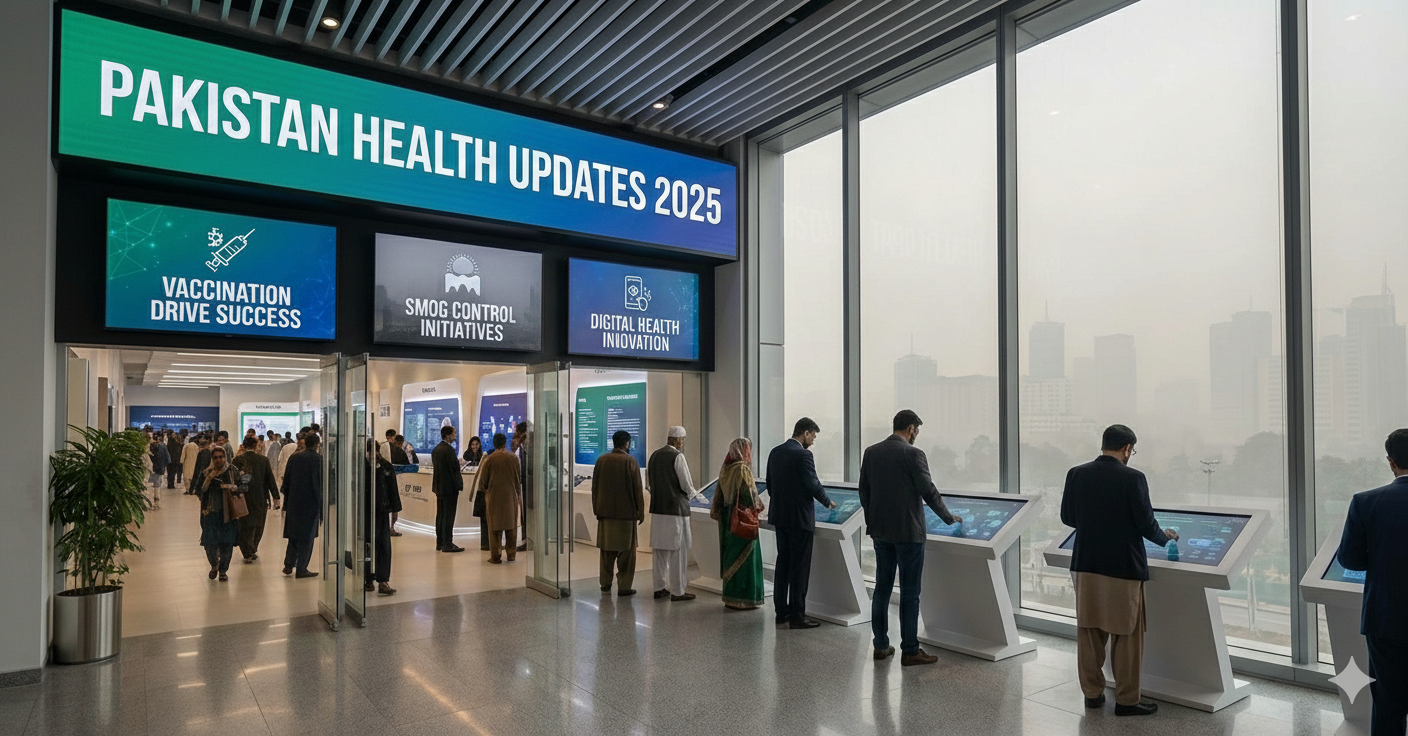
Transforming Public Health Across Pakistan
Pakistan is experiencing significant transformations in public health during 2025. Nationwide vaccination campaigns, rising smog hazards, and rapid digital-health innovations are reshaping daily life in urban centers and rural areas alike. Citizens in Lahore, Karachi, Islamabad, and smaller towns are noticing these changes firsthand. Meanwhile, communities, policymakers, and civil-society organizations respond with urgency, ensuring that health initiatives reach every corner of the country. Consequently, keeping up with reliable Health Updates 2025 is essential for individuals, families, and local institutions.
This article explores key developments in vaccines, pollution-related illnesses, digital health, women’s health innovations, and disease surveillance. Additionally, it provides practical guidance for families and communities to stay safe, healthy, and informed during this transformative period.
Nationwide Vaccination Drive: Measles-Rubella and Polio
Mass Immunization Campaigns Reach Millions
Earlier this year, the government launched an ambitious vaccination campaign targeting Measles-Rubella (MR) and polio simultaneously. International organizations, government agencies, and local volunteers collaborated closely to ensure every child received vaccines. These efforts covered millions of children across Punjab, Sindh, Khyber Pakhtunkhwa, and Balochistan. As a result, thousands of previously unprotected children now enjoy immunity against deadly diseases such as measles, rubella, and polio.
Overcoming Challenges in Remote Areas
Reaching remote areas presented logistical challenges. Outreach teams navigated difficult terrain, lack of electricity, and limited transportation options. Teams transported vaccines in cold boxes, recorded each dose, and educated parents on follow-up appointments. By addressing these hurdles proactively, authorities significantly reduced the risk of disease outbreaks in hard-to-reach communities.
Raising Awareness and Reducing Vaccine Hesitancy
In addition to logistics, public awareness campaigns played a crucial role. Media outreach, community meetings, and social media messaging educated parents about vaccine safety and benefits. Religious leaders and school administrators encouraged families to participate, which helped reduce hesitancy. Consequently, more children received timely vaccinations, strengthening national immunity and preventing potential epidemics.
Polio Remains a Challenge
Despite these achievements, polio continues to pose a threat in certain areas. Underserved urban neighborhoods and remote villages show higher vulnerability due to missed routine immunizations. Therefore, authorities continue targeted polio-eradication drives using mobile clinics, local volunteers, and surveillance teams.
International support complements these initiatives. Global health organizations provide vaccines, technical assistance, and training for local staff. In addition, civil society organizations, including Chal Pakistan, educate communities, distribute pamphlets, and organize workshops to emphasize the importance of vaccination. Together, these efforts bring Pakistan closer to complete polio eradication.
Smog Crisis and Respiratory Health Emergencies
Air Pollution Surges Across Urban and Rural Areas
In 2025, Pakistan experienced alarming levels of air pollution, particularly in industrial and urban zones. During winter months and crop-burning seasons, smog levels escalated sharply. Cities such as Lahore, Faisalabad, and Gujranwala reported thick haze, foul odors, and dusty air that affected daily life.
Health Impact of Smog
Medical facilities reported increased cases of asthma attacks, bronchitis, coughing, wheezing, and eye irritation. Children and elderly individuals were particularly vulnerable. Many required repeated hospital visits, while others managed symptoms with over-the-counter medications.
Adapting Daily Routines
The smog crisis forced families to adjust their routines. Outdoor activities, including walks, sports, and school events, were postponed to protect public health. Commuters faced breathing difficulties, especially motorbike riders and pedestrians. Even semi-urban and rural areas near brick kilns, tanneries, and crop-burning sites experienced a sudden spike in air pollution. Consequently, smog is no longer only an urban problem; it now affects wider regions.
Community Initiatives for Clean Air
Public concern over smog increased significantly in 2025. Citizens demanded stricter regulations for industrial emissions and improved air-quality monitoring. NGOs, including Chal Pakistan, launched awareness campaigns, promoted mask usage, and advocated for environmentally friendly practices such as tree planting and reducing open burning. These community-driven initiatives complement government efforts to reduce pollution-related health risks.
Digital Health Revolution in Pakistan
Telemedicine and Remote Consultations
Pakistan’s digital health sector experienced remarkable growth in 2025. Hospitals and clinics introduced teleconsultation services, allowing patients to connect with doctors virtually. Telemedicine proved especially useful during smog emergencies, as it reduced unnecessary exposure to polluted air. Patients avoided crowded hospitals, saving both time and health risks. Consequently, telemedicine has become an essential component of modern healthcare access in Pakistan.
Mobile Apps Promote Health Awareness
Startups developed mobile applications targeting maternal health, reproductive care, nutrition, and mental wellness. Women across Lahore and smaller towns could access professional guidance discreetly, even from remote locations. Push notifications, reminders, and interactive chatbots encouraged consistent health monitoring and preventive care. Parents tracked children’s vaccination schedules, while women monitored prenatal appointments and mental health check-ins efficiently.
Real-Time Disease Surveillance
Digital health innovations also improved disease surveillance. Authorities adopted dashboards to aggregate hospital admissions, vaccination coverage, pollution-related health issues, and outbreak reports. These real-time insights allowed early detection of rising health concerns, such as respiratory illnesses or polio cases.
International collaborations played a vital role, with global organizations providing training, technical support, and digital tools. This support ensured that Pakistan’s health system could respond efficiently to emerging threats, protecting both urban and rural populations.
Preventive Care Through Technology
Digital platforms also promote preventive healthcare strategies. Virtual consultations provide personalized guidance on nutrition, lifestyle changes, and mental wellness. Environmental data integration, such as smog forecasts and water-quality alerts, empowers citizens to make informed daily decisions. Families plan outdoor activities, mask usage, and travel based on real-time health information, reducing exposure to hazards.
Women’s Health Innovation and Inclusive Care
Maternal and Reproductive Health Programs
2025 marked increased focus on women’s health across Pakistan. Women often face unique health challenges, including limited access to care, social stigma, and lack of targeted health-education resources. In response, health organizations launched programs addressing maternal health, reproductive wellness, and mental health. Telemedicine platforms offered discreet consultations, while nutrition and wellness guidance reached remote communities.
Community Workshops and Female-Friendly Clinics
Community centers hosted workshops led by female health educators who spoke local languages. Topics included hygiene, prenatal nutrition, postpartum care, and family planning. These sessions improved maternal and child health outcomes. In addition, hospitals in Lahore and Islamabad established female-friendly outpatient departments with private consultation rooms and culturally sensitive care.
These initiatives elevate women’s health from a secondary concern to a national priority, fostering a more inclusive healthcare system.
Strengthening Disease Surveillance and International Collaboration
Monitoring and Early Warning Systems
Pakistan enhanced its disease surveillance systems in 2025. Mobile testing units and upgraded regional laboratories allowed faster detection of viral, respiratory, and water-borne infections. Authorities collected real-time data to monitor trends, track outbreaks, and plan interventions efficiently.
Global Partnerships
Collaboration with international health organizations strengthened disease surveillance. These partnerships provided funding, technical expertise, and training in outbreak response. Authorities also integrated environmental data, including air quality, into monitoring systems to understand the impact of smog and pollution on public health.
Consequently, Pakistan’s health system is more resilient, responsive, and evidence-driven, ready to address emerging health challenges proactively.
Practical Recommendations for Citizens
- Ensure children receive MR and polio vaccines on time.
- Monitor daily air-quality alerts and limit outdoor exposure on high-pollution days.
- Use telemedicine for routine check-ups and consultations.
- Encourage women in your community to access digital health platforms.
- Support environmental initiatives: plant trees, reduce open burning, and advocate for clean energy.
- Stay informed via trusted sources like Chal Pakistan.
Conclusion: Building a Healthier Pakistan
Pakistan’s public health landscape in 2025 reflects progress and challenges. Vaccination campaigns protect children from deadly diseases, digital health improves access and awareness, and disease surveillance becomes more efficient. Meanwhile, smog and pollution remain pressing threats, demanding community participation and policy interventions.
By embracing technology, prioritizing women’s health, and promoting preventive care, Pakistan moves toward a safer, healthier future. Organizations like Chal Pakistan empower citizens through education, awareness campaigns, and practical guidance. Staying informed, proactive, and engaged ensures that individuals, families, and communities benefit from the transformative initiatives highlighted in Health Updates 2025.
FAQ
What is covered in Pakistan’s Health Updates 2025?
Nationwide vaccination drives, smog-related health risks, digital health innovations, women’s health programs, and improved disease surveillance.
Why does polio remain a concern?
Some remote or underserved areas miss routine immunizations. Targeted campaigns continue to prevent outbreaks.
How does smog affect health?
It causes respiratory issues, eye irritation, coughing, and worsens chronic illnesses, especially in children and elderly.
How can digital health benefit citizens?
Telemedicine and mobile apps provide remote consultations, preventive care, maternal health support, and environmental alerts.
Why focus on women’s health now?
Women face barriers to care, and new programs address maternal health, mental wellness, and reproductive health.
How does disease surveillance protect communities?
Real-time monitoring allows early detection of outbreaks and timely intervention.
What steps can families take to stay healthy?
Vaccinate children, monitor air quality, use telemedicine, support women’s health, and engage in environmental initiatives.
How can individuals improve air quality?
Plant trees, avoid open burning, reduce diesel vehicle use, and support green energy policies.
Why trust Chal Pakistan for health updates?
It simplifies complex health data, raises awareness, and connects communities with resources.
How will these updates shape Pakistan’s future?
They promote preventive care, integrate technology with lifestyle, and strengthen public health resilience.





2 Responses
Your viewpoint stood out to me and made for an engaging read. Thanks.
Thank you so much for your kind words. I’m really glad the article gave you hope. Of course, I’d be happy to help please feel free to share your question.