Pakistan’s economy has remained at the center of public debate for several years, especially as inflation, unemployment, and currency pressure continue to affect everyday life. Families in Lahore and across the country ask the same pressing question: will things finally get better, or will challenges deepen further? As analysts, policymakers, and citizens look ahead, Pakistan economy 2026 has become a key phrase shaping expectations and discussions. This article explores realistic possibilities, major economic drivers, risks, and opportunities that could influence Pakistan’s financial direction in the coming years.
The future of any economy depends on a mix of policy decisions, global conditions, and internal stability. Pakistan stands at a critical crossroads. While recent reforms show some promise, structural weaknesses still demand attention. Understanding these dynamics helps citizens prepare mentally and financially for what lies ahead.
Understanding the Current Economic Landscape
Pakistan’s economy today reflects both resilience and strain. On one hand, agriculture, textiles, and remittances continue to support growth. On the other hand, high inflation, rising debt, and energy shortages create constant pressure. Over the past few years, economic volatility has reduced purchasing power for ordinary households.
Inflation affects food prices, utilities, and transportation costs. As a result, people struggle to balance household budgets. Businesses also face higher operational expenses, which slows investment. These realities shape expectations about Pakistan economy 2026, making optimism cautious rather than blind.
Why 2026 Matters for Economic Forecasts
The year 2026 represents more than just a future date. Economists view it as a potential turning point because current reforms aim to show results within this timeframe. International financial agreements, tax restructuring, and energy sector reforms target medium-term stability.
Additionally, demographic trends play a role. Pakistan’s young population continues to enter the workforce. If managed well, this demographic advantage can boost productivity. However, without job creation, unemployment could rise further. Therefore, Pakistan economy 2026 depends heavily on how effectively opportunities align with population growth.
Role of Government Policies in Economic Direction
Government policies remain one of the strongest influences on economic outcomes. Fiscal discipline, tax reforms, and subsidy management directly affect growth. Recent efforts focus on broadening the tax base and reducing reliance on borrowing.
If policymakers maintain consistency, investor confidence may improve. However, policy reversals or political instability could undo progress quickly. Citizens in Lahore closely watch these developments because local businesses respond rapidly to policy changes.
Clear and transparent governance strengthens credibility. Without trust, even well-designed reforms struggle to succeed. Therefore, governance quality will heavily influence Pakistan economy 2026.
Impact of Inflation on Daily Life
Inflation shapes public perception more than technical indicators. Rising prices affect food, fuel, rent, and healthcare costs. When inflation remains high, wages fail to keep pace, reducing real income.
Efforts to control inflation include tightening monetary policy and managing subsidies. These steps often cause short-term pain, yet they aim to stabilize prices long term. If inflation control succeeds, consumer confidence could gradually return.
By 2026, inflation trends will strongly determine whether people feel economic improvement or continued hardship.
Employment and Job Creation Outlook
Job creation remains essential for economic recovery. Small and medium enterprises provide most employment opportunities in Pakistan. When these businesses thrive, employment grows naturally.
Government initiatives promoting entrepreneurship, technology, and export-oriented industries could create jobs. However, skills mismatch remains a challenge. Many graduates lack market-relevant skills, which limits employability.
Addressing education and training gaps improves productivity. If reforms succeed, Pakistan economy 2026 could experience healthier labor market conditions.
Industrial Growth and Manufacturing Potential
Manufacturing holds significant potential for Pakistan. The textile sector already contributes heavily to exports. Expanding value-added manufacturing increases revenue and reduces dependence on raw material exports.
Energy availability and cost remain major constraints. Reliable and affordable energy supports industrial expansion. Recent energy sector reforms aim to reduce inefficiencies and losses.
If energy supply stabilizes, industrial output may increase by 2026, strengthening economic foundations.
Agriculture and Food Security Challenges
Agriculture employs a large portion of Pakistan’s population. Climate change, water shortages, and outdated farming methods threaten productivity. Floods and droughts have recently damaged crops and livelihoods.
Modernizing agriculture through technology and better water management improves yields. Supporting farmers with credit and training also boosts output.
A stable agricultural sector supports food security and export earnings, influencing Pakistan economy 2026 positively.
The Role of Exports in Economic Stability
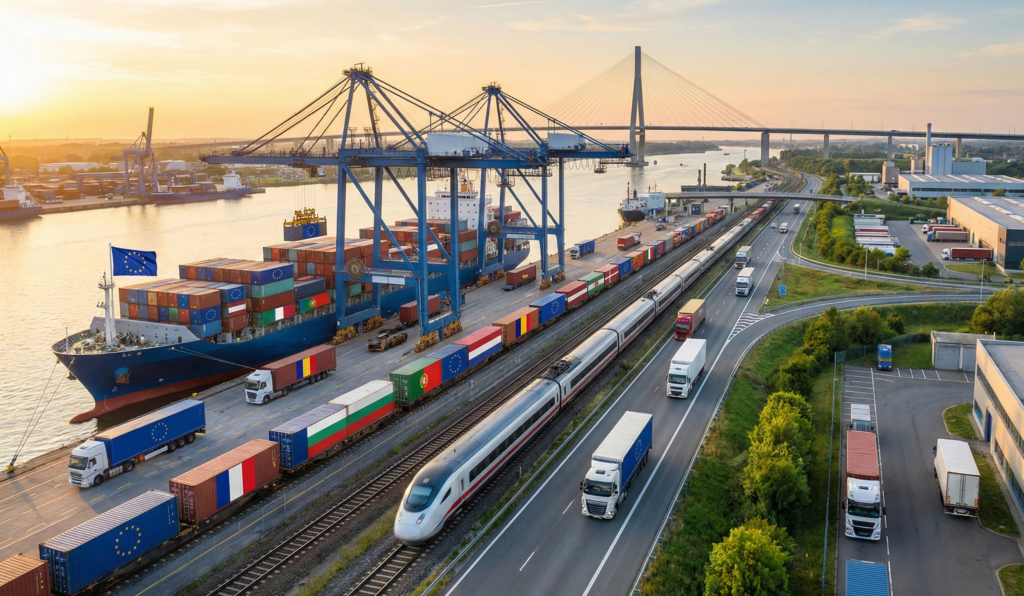
Exports generate foreign exchange, which supports currency stability. Pakistan’s exports include textiles, rice, sports goods, and IT services. Expanding export diversity reduces vulnerability to market fluctuations.
Trade agreements and improved logistics help exporters compete globally. Reducing bureaucratic hurdles also improves efficiency.
If export growth accelerates, Pakistan can strengthen reserves and reduce external debt pressure by 2026.
Remittances and Overseas Pakistanis
Remittances remain a crucial economic lifeline. Overseas Pakistanis send billions of dollars annually, supporting families and stabilizing foreign reserves.
Policies encouraging legal remittance channels improve transparency and inflows. Economic conditions in host countries also influence remittance trends.
Sustained remittance growth supports consumption and investment, shaping Pakistan economy 2026 outcomes.
Foreign Investment Prospects
Foreign direct investment brings capital, technology, and expertise. Investors seek stability, clear regulations, and reliable returns.
Recent efforts aim to improve ease of doing business and reduce regulatory complexity. Political stability also matters greatly for investor confidence.
If Pakistan attracts consistent foreign investment, economic growth prospects improve significantly by 2026.
Currency Stability and Exchange Rate Pressures
The Pakistani rupee faces ongoing pressure due to trade deficits and debt obligations. Currency depreciation increases import costs, fueling inflation.
Strengthening exports and reserves helps stabilize the currency. Central bank independence and prudent monetary policy also play key roles.
Exchange rate stability influences public confidence and business planning, making it central to Pakistan economy 2026 expectations.
Public Debt and Financial Sustainability
Public debt remains a major concern. Servicing debt consumes a large portion of government revenue, limiting spending on development.
Debt restructuring and fiscal discipline aim to reduce pressure gradually. Sustainable debt management requires long-term planning and consistency.
If debt levels stabilize, Pakistan gains fiscal space for growth-oriented spending by 2026.
Energy Sector Reforms and Their Impact
Energy inefficiencies burden the economy through losses and subsidies. Reforms target pricing, distribution, and renewable energy integration.
Solar and wind projects reduce reliance on imported fuels. Cleaner energy also supports environmental goals.
Successful energy reforms lower costs and improve competitiveness, benefiting Pakistan economy 2026.
Technology and Digital Economy Growth
The digital economy presents new opportunities. Freelancing, software exports, and e-commerce grow rapidly in Pakistan.
Supporting digital infrastructure and skills training enhances global competitiveness. Youth engagement in technology creates employment and innovation.
By 2026, digital growth could contribute significantly to economic resilience.
Political Stability and Economic Confidence
Political uncertainty undermines economic planning. Frequent changes disrupt policy continuity and investor trust.
Stable governance encourages long-term investment and reform implementation. Dialogue and consensus-building reduce volatility.
Political stability remains a decisive factor shaping Pakistan economy 2026.
Global Economic Conditions and External Risks
Global factors influence Pakistan’s economy strongly. Oil prices, global inflation, and geopolitical tensions affect imports and exports.
Economic slowdowns in major markets reduce demand for exports. Conversely, global recovery boosts trade opportunities.
Managing external risks requires diversification and strategic planning.
Public Sentiment and Consumer Confidence
Consumer confidence reflects economic health. When people feel optimistic, spending increases, supporting growth.
Clear communication from authorities improves trust. Transparency reduces uncertainty and fear.
Public sentiment will heavily influence whether people perceive improvement in Pakistan economy 2026.
Education, Skills, and Human Capital
Human capital development drives long-term growth. Education quality and vocational training matter greatly.
Aligning education with market needs reduces unemployment. Skilled workers attract investment and innovation.
Improving human capital strengthens economic prospects beyond 2026.
Urban Development and Infrastructure Investment
Infrastructure supports productivity and connectivity. Roads, transport, and housing projects create jobs and stimulate demand.
Urban centers like Lahore benefit directly from infrastructure upgrades. Improved logistics support trade and industry.
Infrastructure investment boosts Pakistan economy 2026 growth potential.
Social Protection and Inclusive Growth
Inclusive growth ensures benefits reach vulnerable populations. Social safety nets protect against poverty and inequality.
Targeted support programs help maintain social stability during reforms. Balanced growth strengthens long-term resilience.
Inclusive policies improve overall economic health and social cohesion.
Will Pakistan’s Economy Improve or Worsen?
The answer depends on choices made today. If reforms continue consistently, stability may improve gradually. If instability returns, challenges could deepen.
Pakistan possesses resources, talent, and strategic location. Harnessing these strengths requires commitment and cooperation.
Ultimately, Pakistan economy 2026 stands at a crossroads shaped by policy, people, and perseverance.
Final Thoughts on Pakistan’s Economic Future
Pakistan’s economic journey toward 2026 remains uncertain yet full of potential. Challenges persist, but opportunities also exist across sectors.
Informed citizens, responsible governance, and strategic reforms can shift momentum positively. Media platforms like Chal Pakistan play an important role by informing public discourse and encouraging awareness.
The coming years will test resilience. Whether improvement or worsening occurs depends on collective action and sustained focus.
FAQs
What is the outlook for Pakistan economy 2026?
The outlook depends on reforms, stability, and global conditions.
Will inflation decrease by 2026?
Inflation may ease if fiscal and monetary policies remain consistent.
Can job opportunities improve by 2026?
Yes, if industrial, digital, and SME sectors grow effectively.
How important are exports for economic recovery?
Exports are vital for foreign exchange and stability.
Does political stability affect the economy?
Yes, stability directly influences investment and growth.
Will the rupee stabilize by 2026?
Stability depends on reserves, exports, and debt management.
Can agriculture support economic growth?
Yes, with modernization and climate resilience.
What role do remittances play?
Remittances support consumption and reserves significantly.
Is foreign investment likely to increase?
It may increase with consistent policies and stability.
Why is Pakistan economy 2026 important for citizens?
It shapes income, jobs, and quality of life for everyone.