Across continents, people continue to experience waves of illness that disrupt daily life, overwhelm health systems, and raise serious concerns. While many diseases circulate globally, one virus repeatedly triggers seasonal outbreaks and unexpected surges. Influenza A (H3N2) remains one of the most aggressive strains affecting populations worldwide. In Pakistan, rising flu cases have pushed authorities and media outlets like Chal Pakistan to issue a health alert in pakistan, urging citizens to understand symptoms, risks, and prevention strategies. This article explains what Influenza A (H3N2) is, why it spreads so quickly, and how people can protect themselves in Lahore and beyond.
Influenza does not discriminate by age or geography. Instead, it evolves constantly, adapting to human immunity and seasonal conditions. Because of this ability, H3N2 often causes more severe illness compared to other flu strains. Understanding its behavior helps individuals respond wisely rather than react in fear.
Understanding Influenza A (H3N2) Clearly
Influenza A (H3N2) belongs to the influenza virus family that infects humans and animals. Scientists classify influenza viruses based on surface proteins called hemagglutinin and neuraminidase. The H3N2 subtype contains specific variations of these proteins that allow it to spread rapidly.
Unlike common colds, H3N2 often causes intense symptoms. High fever, body aches, severe fatigue, and persistent cough frequently appear. Because symptoms escalate quickly, people often underestimate how contagious the virus can be during early stages.
Global health organizations closely monitor H3N2 due to its mutation rate. These mutations make the virus harder to predict and control. As a result, yearly flu vaccines sometimes struggle to match circulating strains perfectly.
Why H3N2 Causes Stronger Outbreaks Worldwide
Several factors contribute to the aggressive nature of H3N2. First, the virus mutates faster than many other flu strains. These changes help it bypass existing immunity in populations.
Second, international travel accelerates transmission. A virus emerging in one region can reach another continent within days. Crowded cities and busy airports amplify exposure.
Third, immunity from previous infections weakens over time. Even individuals who caught flu last year may still get sick again. Because of these reasons, public health authorities continue issuing a health alert in pakistan when cases rise sharply.
How Influenza A (H3N2) Spreads Between People
H3N2 spreads mainly through respiratory droplets. When infected individuals cough, sneeze, or talk, tiny droplets enter the air. Nearby people inhale these particles, allowing the virus to enter the respiratory system.
Additionally, contaminated surfaces play a role. Door handles, mobile phones, and public transport rails often carry viral particles. When people touch these surfaces and then touch their face, infection occurs.
Poor ventilation increases risk. Enclosed spaces with limited airflow allow viral particles to linger. Therefore, crowded indoor settings significantly raise transmission chances.
Symptoms That Should Never Be Ignored
Influenza A (H3N2) presents symptoms that differ from mild viral infections. Fever often rises above 101°F and lasts several days. Severe muscle pain, headaches, and chills accompany fever.
Respiratory symptoms also intensify. Persistent coughing, sore throat, and chest discomfort appear early. In some cases, nausea and diarrhea occur, especially in children.
Because symptoms worsen quickly, delayed treatment increases complications. Health experts recommend immediate medical attention if breathing difficulty, chest pain, or confusion develops.
Why Lahore Faces Higher Seasonal Risk
Lahore’s dense population creates ideal conditions for viral spread. Markets, public transport, schools, and offices remain crowded throughout the year. During winter months, people spend more time indoors, which further increases exposure.
Air pollution also weakens respiratory health. Smog irritates airways, making individuals more vulnerable to infections like H3N2. Consequently, local authorities often issue a health alert in pakistan during flu season to reduce preventable illness.
Limited awareness also plays a role. Many people dismiss flu symptoms as minor, delaying isolation and treatment. This delay allows the virus to spread unchecked within households and communities.
Difference Between Common Flu and H3N2
Not all flu strains behave the same way. H3N2 often leads to higher hospitalization rates, especially among elderly individuals and young children. It causes more severe respiratory complications compared to H1N1 or influenza B.
Additionally, H3N2 adapts rapidly. This adaptation reduces vaccine effectiveness some years. While vaccines still offer protection, breakthrough infections occur more frequently with this strain.
Understanding these differences encourages people to take flu warnings seriously rather than ignoring symptoms.
Global Trends Showing Rising Flu Activity
Recent global data shows increased influenza activity across Asia, Europe, and North America. Health systems report higher outpatient visits due to flu-like illnesses. Schools and workplaces experience frequent absenteeism.
Climate changes also influence flu patterns. Unpredictable weather alters seasonal cycles, allowing viruses to circulate longer. As a result, flu outbreaks no longer follow strict timelines.
Pakistan follows these global trends closely. Media coverage by Chal Pakistan reinforces public awareness by highlighting the health alert in pakistan during peak periods.
Who Faces the Highest Risk from H3N2
Certain groups remain more vulnerable to complications. Elderly individuals often experience weaker immune responses. Young children lack prior exposure to many flu strains.
Pregnant women face increased risks due to immune system changes. People with chronic illnesses such as diabetes, asthma, or heart disease also experience severe outcomes.
Healthcare workers face constant exposure. Without proper precautions, infection spreads rapidly within medical facilities.
Role of Vaccination in Preventing Severe Illness
Flu vaccination remains one of the most effective preventive measures. Although vaccines may not prevent every infection, they significantly reduce severity and complications.
Annual vaccination adapts to predicted strains. Even when vaccine match remains imperfect, partial immunity helps the body fight infection faster.
Public health officials strongly recommend vaccination, especially during periods marked by a health alert in pakistan.
Treatment Options Available for Influenza A (H3N2)
Antiviral medications help reduce symptom duration when taken early. Doctors often prescribe antivirals within forty-eight hours of symptom onset.
Supportive care also plays a crucial role. Adequate hydration, rest, and fever management speed recovery. Severe cases require hospitalization for oxygen support and monitoring.
Self-medication without medical advice often worsens outcomes. Therefore, professional consultation remains essential.
Preventive Measures Everyone Should Follow
Simple preventive habits reduce infection risk significantly. Frequent handwashing removes viral particles. Wearing masks in crowded spaces reduces droplet spread.
Avoiding close contact with sick individuals limits exposure. Staying home during illness protects others and accelerates recovery.
Public awareness campaigns emphasize these measures whenever authorities announce a health alert in pakistan.
Importance of Early Detection and Testing
Early detection limits transmission chains. Rapid testing helps identify cases quickly, allowing isolation and treatment.
Testing also improves surveillance. Health authorities track trends and allocate resources efficiently. This approach strengthens public health responses during outbreaks.
Delayed diagnosis allows silent spread, especially among asymptomatic carriers.
How Media Awareness Helps Control Outbreaks
Responsible journalism plays a vital role in outbreak control. Chal Pakistan consistently shares verified updates, preventive guidance, and expert opinions.
Accurate reporting prevents panic while encouraging action. Clear messaging helps people recognize symptoms early and seek help.
Media-driven health alert in pakistan campaigns bridge the gap between health authorities and the public.
Impact of Influenza on Daily Life and Economy
Flu outbreaks disrupt productivity. Sick workers miss days, affecting businesses and schools. Healthcare costs rise due to increased hospital admissions.
Families face emotional stress while caring for ill members. Prolonged outbreaks strain public resources.
Preventive measures cost less than managing widespread illness, highlighting the importance of preparedness.
Myths That Increase Flu Spread
Many people believe flu only affects elderly individuals. This misconception leads younger adults to ignore precautions.
Others think antibiotics cure flu. Antibiotics target bacteria, not viruses, making them ineffective against influenza.
Correcting these myths remains essential during every health alert in pakistan.
Why Global Cooperation Matters in Flu Control
Viruses ignore borders. International cooperation ensures rapid data sharing and vaccine development.
Global surveillance networks monitor emerging strains. This collaboration improves preparedness and response.
Pakistan benefits from global partnerships through updated treatment guidelines and vaccine recommendations.
Long-Term Strategies for Reducing Flu Impact
Strengthening healthcare infrastructure improves outbreak response. Training healthcare workers ensures timely treatment.
Public education campaigns increase awareness and compliance. Investment in research enhances vaccine effectiveness.
Sustainable strategies reduce reliance on emergency responses.
Role of Nutrition and Immunity
Balanced nutrition supports immune health. Vitamins, minerals, and protein help the body fight infections.
Poor nutrition weakens immunity, increasing susceptibility. During flu season, maintaining a healthy diet becomes essential.
However, supplements do not replace medical treatment or vaccination.
Children and School-Based Transmission
Schools often act as transmission hubs. Close contact and shared materials facilitate spread.
Regular cleaning, ventilation, and symptom screening reduce risk. Parents should keep sick children home.
Education authorities often coordinate with health departments during a health alert in pakistan.
Workplace Safety During Flu Season
Employers play a role in prevention. Flexible sick leave policies discourage presenteeism.
Remote work options reduce exposure. Hygiene facilities support preventive practices.
Healthy workplaces contribute to broader community protection.
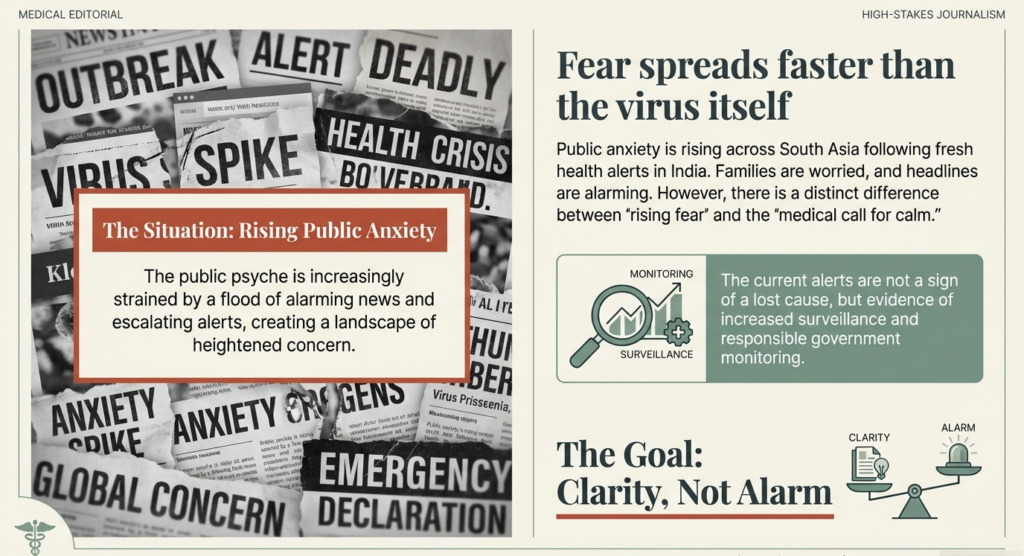
Psychological Impact of Repeated Health Alerts
Frequent health warnings cause anxiety. Clear communication helps reduce fear and confusion.
Mental health support remains important during outbreaks. Balanced messaging encourages vigilance without panic.
Community resilience strengthens response capacity.
Future Outlook for Influenza A (H3N2)
H3N2 will likely continue circulating globally. Ongoing research aims to improve vaccines and treatments.
Universal flu vaccines may offer broader protection in the future. Until then, vigilance remains necessary.
Public cooperation ensures better outcomes during every health alert in pakistan.
Final Thoughts on Influenza A (H3N2)
Influenza A (H3N2) remains a serious global health concern. Its rapid spread, severe symptoms, and mutation rate demand ongoing awareness.
In Pakistan, especially Lahore, proactive measures reduce risk significantly. Media platforms like Chal Pakistan help inform and protect communities.
Understanding the virus empowers individuals to act responsibly. Awareness, prevention, and timely treatment together save lives.
FAQ Section
What is Influenza A (H3N2)?
It is a highly contagious flu strain known for severe symptoms and rapid spread.
How does H3N2 spread?
It spreads through respiratory droplets and contaminated surfaces.
Is H3N2 more dangerous than other flu strains?
Yes, it often causes more severe illness and complications.
Who should get vaccinated first?
Elderly individuals, children, pregnant women, and those with chronic conditions.
Can antibiotics treat H3N2?
No, antibiotics do not work against viruses.
How long does recovery usually take?
Most people recover within one to two weeks with proper care.
Why is Lahore at higher risk?
High population density and air pollution increase transmission.
Should I wear a mask during flu season?
Yes, masks reduce droplet spread in crowded areas.
What should I do if symptoms worsen?
Seek immediate medical attention.
Why does Pakistan issue flu alerts often?
Authorities issue a health alert in pakistan to reduce spread and protect public health.