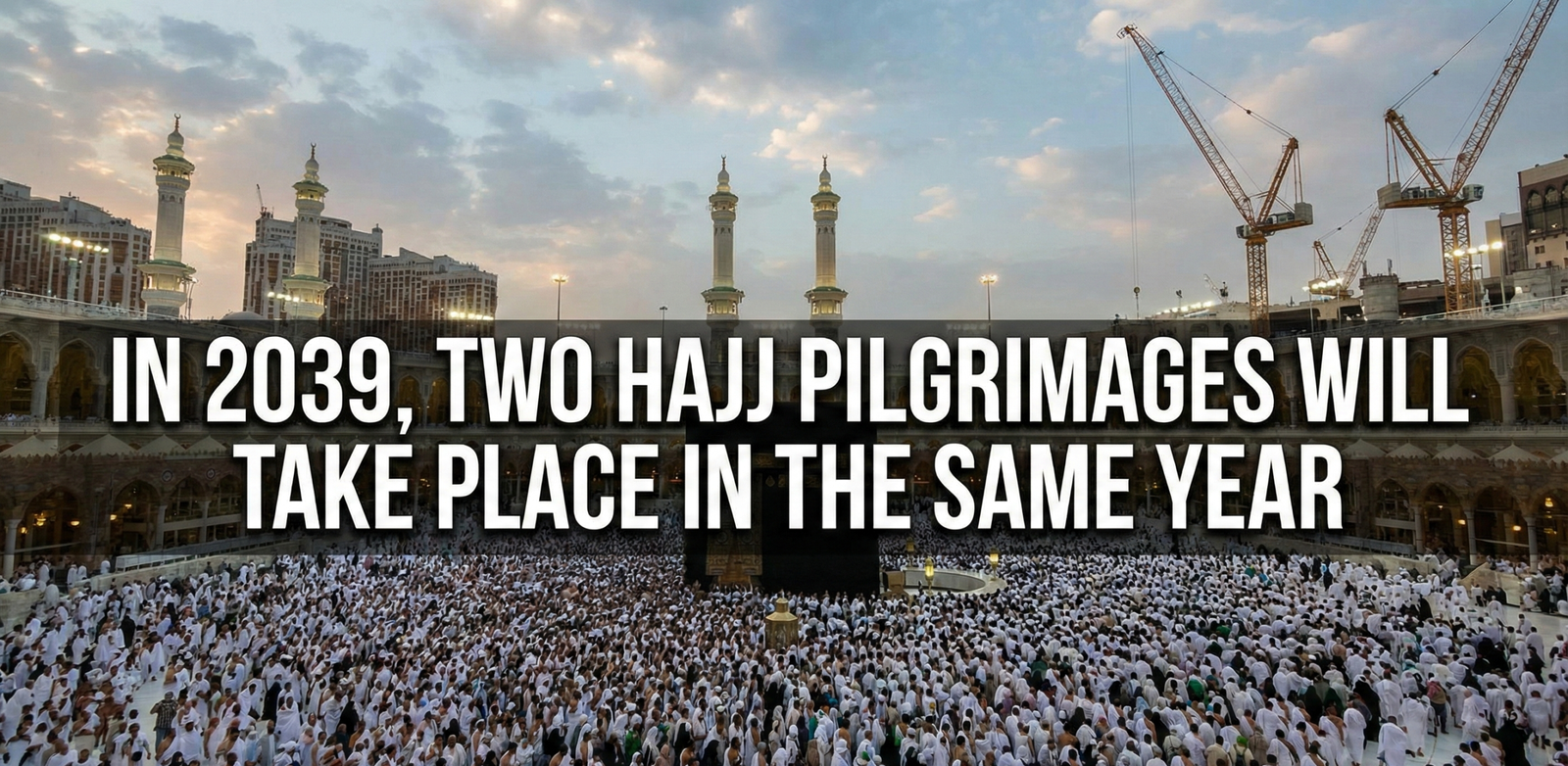
In 2039, the Islamic world will witness a rare and deeply meaningful phenomenon. Two Hajj pilgrimages will take place within the same Gregorian year. This extraordinary event will capture global attention and spark spiritual reflection among millions of Muslims. From Lahore, Pakistan, believers, scholars, and planners already discuss the implications of 2 Hajj in one year, a moment that blends astronomy, faith, and history into a single remarkable chapter.
This event does not represent a religious change. Instead, it reflects how the Islamic lunar calendar aligns uniquely with the Gregorian calendar. Still, the impact will feel profound. Pilgrims, governments, and religious institutions will prepare for an experience that few generations ever witness. Chal Pakistan presents a complete, easy-to-understand exploration of what this event means, why it happens, and how it affects Muslims worldwide.
Understanding the Islamic Lunar Calendar
Islam follows a lunar calendar based on the moon’s cycles. Each Islamic year contains twelve lunar months. Every month begins with the sighting of the new moon. As a result, the Islamic year lasts about eleven days fewer than the Gregorian year.
Because of this difference, Islamic months shift earlier each Gregorian year. Over time, this shift creates rare alignments. Eventually, certain Islamic months occur twice within one Gregorian year. That reality explains how 2 Hajj in one year becomes possible.
Why Hajj Moves Each Year
Hajj always occurs during the Islamic month of Dhul Hijjah. Since the Islamic calendar moves backward annually, Dhul Hijjah travels across all seasons over a cycle of about thirty-three years.
Therefore, when Dhul Hijjah appears early in January and again in late December of the same year, two Hajj seasons occur. In 2039, this alignment will happen, allowing 2 Hajj in one year without altering any religious obligation or practice.
Historical Context of Double Hajj Years
History shows that this phenomenon has occurred before. However, such years remain rare. Many Muslims live entire lifetimes without witnessing it. Scholars often cite previous examples to explain that Islam already accounts for such events.
The rarity enhances the emotional significance. When people hear about 2 Hajj in one year, they feel curiosity, excitement, and spiritual wonder. It reminds believers of the precision of divine systems and celestial order.
What Makes 2039 So Special
The year 2039 stands out because Dhul Hijjah will begin twice within the Gregorian calendar. The first Hajj will likely occur in early January, while the second will fall near the end of December.
This alignment means pilgrims may perform Hajj at two different times within the same year. Although individuals still perform Hajj once in a lifetime if able, the calendar itself will host 2 Hajj in one year, creating unique planning opportunities.
Religious Significance for Muslims
Spiritually, this event carries deep meaning. It reminds Muslims of time’s fluid nature in Islam. Faith does not bind itself to solar systems but follows divine guidance.
Scholars emphasize that 2 Hajj in one year does not change religious duties. However, it offers increased access for pilgrims who face long waiting lists. It also allows communities to reflect on unity and devotion on a global scale.
Impact on Pilgrims Worldwide
Millions of Muslims dream of performing Hajj. Some countries operate quota systems that require years of waiting. In 2039, hosting 2 Hajj in one year may reduce pressure on those systems.
Pilgrims could find greater availability and flexibility. Travel agencies, religious organizations, and families will need clear guidance to plan responsibly. Still, the opportunity feels historic.
Preparations in Saudi Arabia
Saudi Arabia will play a central role in managing this rare occurrence. Authorities already plan years ahead for crowd management, safety, and infrastructure.
Hosting 2 Hajj in one year demands enhanced coordination. Transportation, accommodation, health services, and security systems must operate at peak efficiency twice within months. Saudi planners view this as a challenge and an honor.
Logistical Challenges and Solutions
Two Hajj seasons require careful scheduling. Workers, volunteers, and service providers must remain prepared for extended operations.
However, Saudi Arabia’s experience with large-scale events ensures readiness. Advanced technology, digital permits, and crowd-control systems will support the smooth execution of 2 Hajj in one year.
Economic Effects on the Region
Hajj generates significant economic activity. Hospitality, transport, retail, and services benefit immensely. In 2039, two seasons could boost economic returns.
Yet authorities must balance profit with ethics. Hajj remains a sacred duty, not a commercial event. Therefore, managing 2 Hajj in one year requires sensitivity and responsibility.
How Scholars Explain This Phenomenon
Islamic scholars often use this event to educate communities about lunar timekeeping. Mosques and madrasas explain the science and spirituality behind it.
By discussing 2 Hajj in one year, scholars reinforce the harmony between faith and astronomy. This understanding strengthens belief rather than causing confusion.
Common Misconceptions Cleared
Some people mistakenly think this event changes religious law. That belief is incorrect. Hajj obligations remain unchanged.
Others believe they can perform Hajj twice to gain extra reward. While voluntary acts earn blessings, Islamic law still emphasizes intention and ability. 2 Hajj in one year does not impose new duties.
Media and Global Attention
Global media outlets will highlight this rare alignment. News platforms, documentaries, and scholars will discuss its meaning.
For Chal Pakistan, this story represents an opportunity to educate audiences thoughtfully. By explaining 2 Hajj in one year clearly, media can prevent misinformation.
Pakistani Pilgrims and Special Interest
In Pakistan, Hajj holds immense emotional value. Families save for years to send loved ones. In Lahore and beyond, news of 2 Hajj in one year excites communities.
Pakistani authorities may explore quota flexibility. Religious leaders will guide citizens on proper planning and spiritual preparation.
Spiritual Reflection and Personal Growth
Beyond logistics, this event encourages reflection. Time’s cycles remind believers of life’s temporary nature.
Witnessing 2 Hajj in one year invites gratitude and humility. It encourages Muslims to renew faith, patience, and devotion.
Educational Opportunities for Younger Generations
Young Muslims may encounter this event through school lessons and mosque discussions. Teachers can explain lunar calendars and Islamic history engagingly.
Learning about 2 Hajj in one year strengthens identity and appreciation for Islamic tradition among youth.
Technology’s Role in Managing Hajj
Modern technology supports safe pilgrimages. Apps, digital permits, and health tracking systems enhance efficiency.
In 2039, technology will help manage 2 Hajj in one year smoothly. Data-driven planning will reduce risks and improve pilgrim experience.
Environmental Considerations
Sustainability matters more than ever. Hosting two large pilgrimages requires environmental care.
Saudi initiatives aim to reduce waste and manage resources responsibly. As 2 Hajj in one year approaches, sustainability will remain a priority.
Global Unity and Shared Faith
Hajj symbolizes unity. Muslims from every background gather in one place. Two Hajj seasons amplify that unity.
Experiencing 2 Hajj in one year reminds believers that faith transcends borders, languages, and cultures.
Chal Pakistan’s Role in Awareness
Chal Pakistan focuses on meaningful global stories that connect faith, culture, and people. This event reflects that mission perfectly.
By covering 2 Hajj in one year, Chal Pakistan aims to inform, educate, and inspire readers across Pakistan and beyond.
Looking Beyond 2039
Such alignments will occur again, but decades may pass before the next. Therefore, 2039 holds lasting importance.
Communities will remember this year as a reminder of divine timing. 2 Hajj in one year will remain a topic of study and reflection for generations.
Final Thoughts
In 2039, two Hajj pilgrimages within one year will mark a rare intersection of faith and time. This event does not alter religious practice, yet it deepens understanding.
For Muslims worldwide, 2 Hajj in one year represents patience rewarded, knowledge expanded, and unity strengthened. Chal Pakistan remains committed to sharing such powerful stories with clarity and respect.
FAQs
What does 2 Hajj in one year mean?
It means two Hajj seasons will occur within one Gregorian year due to lunar calendar alignment.
Will Muslims need to perform Hajj twice?
No, religious obligations remain unchanged.
Why will this happen in 2039?
Because the Islamic lunar calendar shifts annually against the Gregorian calendar.
Has this happened before?
Yes, but it occurs very rarely.
Will Saudi Arabia allow more pilgrims?
Authorities may adjust quotas, but official decisions will come later.
Does this change Islamic law?
No, Islamic rulings remain the same.
Can someone perform Hajj twice in one year?
They may, but it remains voluntary, not required.
How will Pakistan manage pilgrim demand?
Authorities will provide guidance closer to the event.
Is this scientifically explained?
Yes, it results from lunar and solar calendar differences.
Why does Chal Pakistan cover this story?
Because it reflects faith, knowledge, and global significance.
Call to Action
Stay connected with Chal Pakistan for trusted stories on faith, culture, and global events that shape our understanding of the world and our place within it.