By Chal Pakistan, Lahore
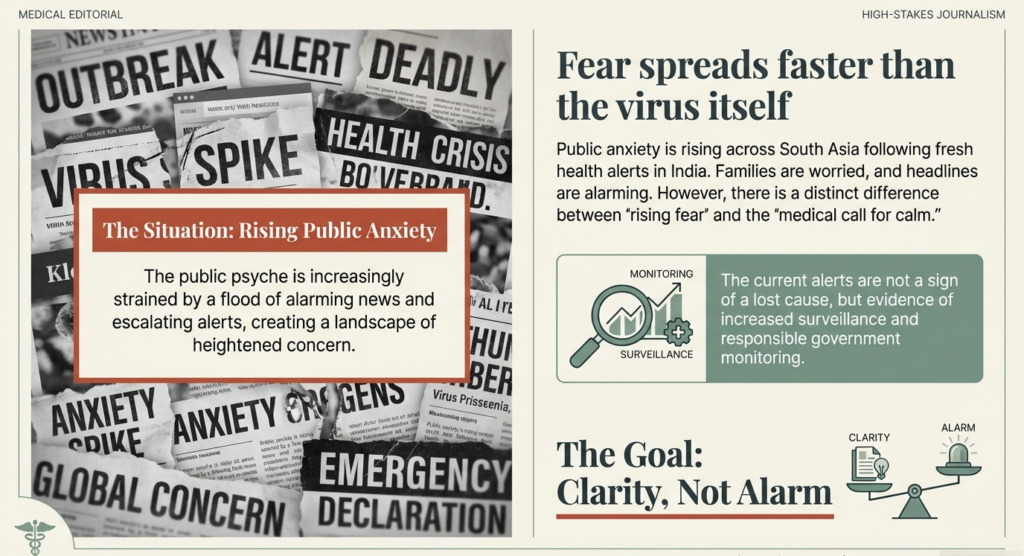
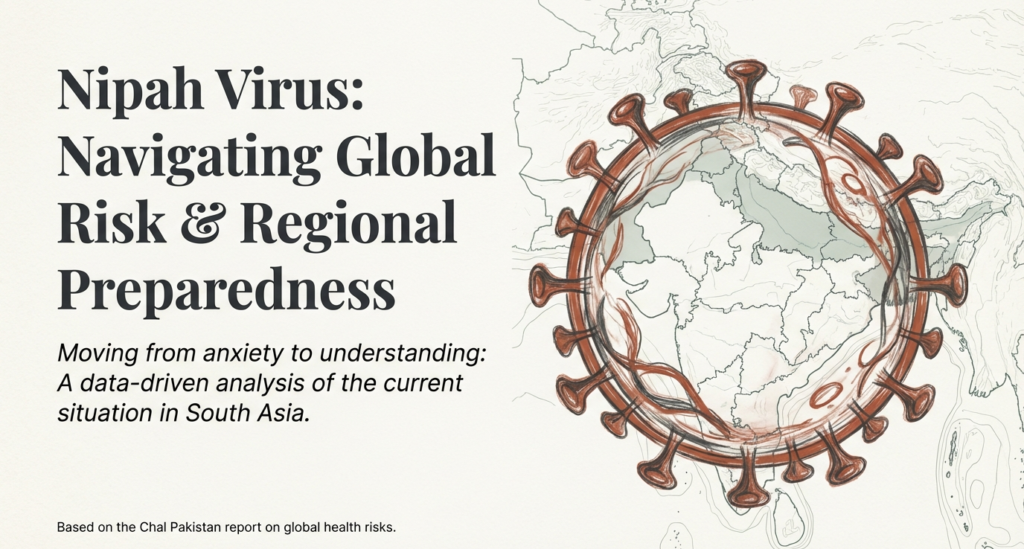
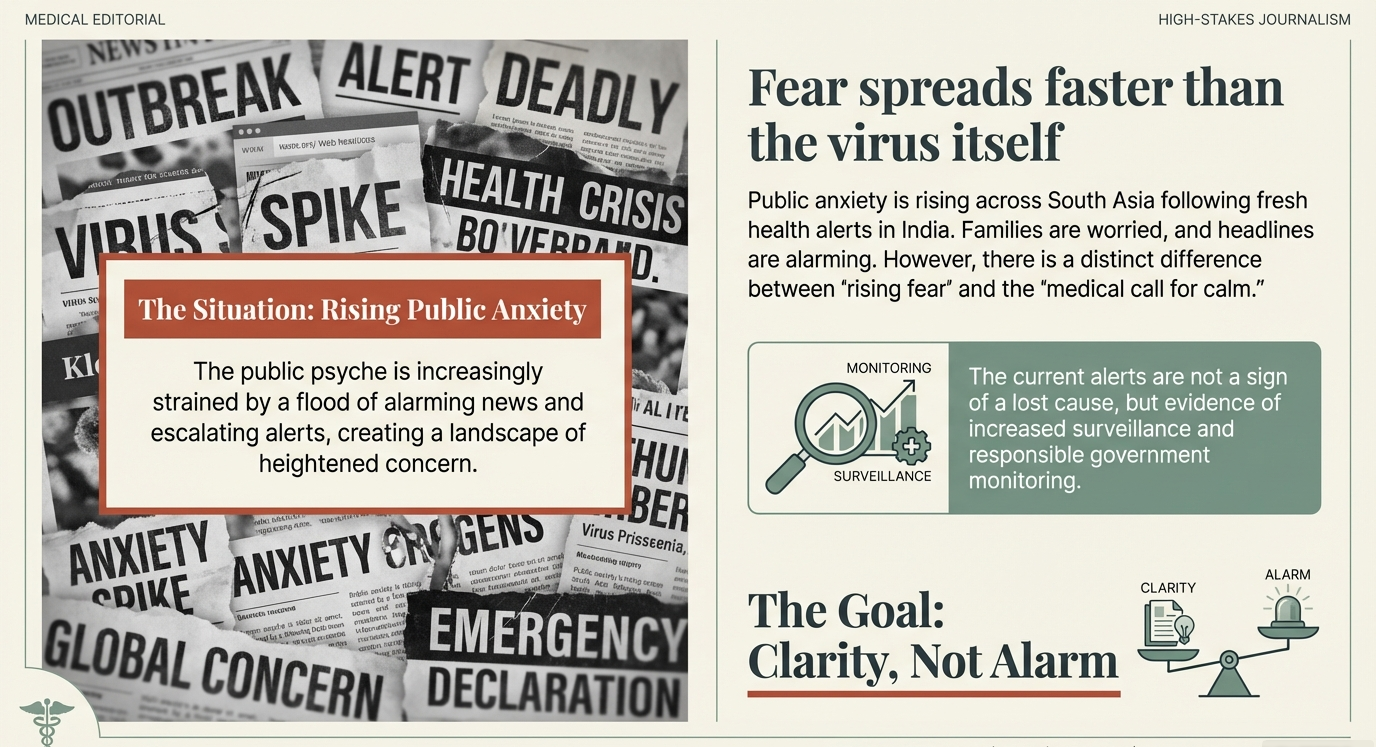
Fear spreads faster than most viruses, and over the past weeks, public anxiety across South Asia has risen again as health authorities issue fresh alerts linked to the Nipah virus. Families worry about safety, governments increase surveillance, and medical experts urge calm while reinforcing preparedness. The concern today centers strongly on Nipah virus in india, where recent developments have renewed global attention.
This report explains the current seriousness of the situation using verified facts, official data, and expert assessments. It answers who is at risk, what is happening, when and where outbreaks occur, and why health systems take this virus seriously. The goal remains clarity, not alarm.
What is the Nipah virus?
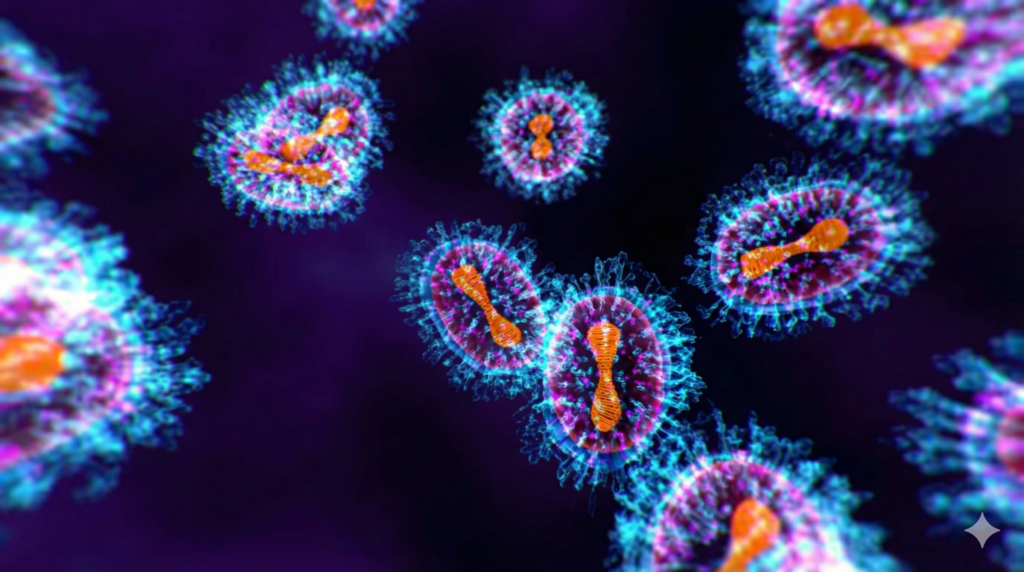
The Nipah virus is a zoonotic virus that spreads from animals to humans and can also transmit through close human contact. Scientists first identified it in 1999 during an outbreak among pig farmers in Malaysia. Since then, sporadic outbreaks have appeared in South and Southeast Asia.
Fruit bats, especially of the Pteropus species, act as natural hosts. Humans usually contract the virus through contaminated food, direct animal contact, or close contact with infected individuals. Once infection begins, symptoms can range from mild fever to severe brain inflammation.
Health experts classify Nipah as a high-priority pathogen due to its high fatality rate and lack of a specific cure.
Why Nipah virus demands attention today
The renewed concern stems from fresh monitoring updates and isolated cases under investigation in South Asia. Health ministries remain alert due to Nipah’s history of sudden outbreaks and rapid progression in patients.
The focus on Nipah virus in india intensified after Kerala reported suspected cases in recent years. Each alert triggers a coordinated response because early containment saves lives. While numbers remain low, the virus carries serious consequences if ignored.
Global health agencies monitor Nipah closely due to its pandemic potential if uncontrolled transmission occurs.
Where cases usually appear
Nipah outbreaks typically emerge in regions where fruit bats live close to human populations. Rural and semi-urban areas with dense vegetation and raw date palm sap consumption show higher risk.
India and Bangladesh report the most documented outbreaks. Malaysia experienced the earliest large outbreak, while isolated cases surfaced in other Asian countries.
In Pakistan, no confirmed Nipah cases exist so far. However, regional proximity and shared ecological factors justify vigilance.
When Nipah outbreaks usually occur
Most outbreaks align with seasonal patterns. In Bangladesh and India, cases often emerge during winter and early spring when date palm sap harvesting increases. Bats contaminate sap containers, enabling viral transmission.
Health officials now maintain year-round surveillance because climate change and urban expansion alter traditional patterns. The unpredictability of outbreaks increases the need for continuous readiness.
Who faces the highest risk
People who live near bat habitats face higher exposure. Farmers, caregivers, healthcare workers, and family members of infected individuals face increased risk due to close contact.
Hospitals remain critical zones during outbreaks. In several documented cases, healthcare workers contracted the virus due to delayed diagnosis or insufficient protective measures.
Children and elderly individuals face greater complications once infected due to weaker immune responses.
Symptoms and progression of Nipah virus infection
Symptoms usually appear within four to fourteen days after exposure. Early signs include fever, headache, muscle pain, and vomiting. Some patients experience respiratory distress.
As the disease progresses, patients may develop encephalitis, which causes confusion, seizures, and coma. Fatality rates range from 40 to 75 percent depending on outbreak response speed.
This severity explains why Nipah virus in india raises immediate public health alerts even when case numbers remain small.
How transmission occurs
Transmission occurs through several pathways. People may consume contaminated fruits or raw date palm sap. Direct contact with infected animals also spreads the virus.
Human-to-human transmission occurs through close physical contact, respiratory droplets, and bodily fluids. Hospital settings amplify this risk without strict infection control protocols.
Authorities stress hygiene, food safety, and early isolation as the most effective defenses.
Current situation in India
India maintains heightened surveillance following previous outbreaks in Kerala. Health departments coordinate with local governments to trace contacts and monitor symptoms.
Public health teams isolate suspected cases immediately. Laboratories conduct rapid testing to confirm infections. These measures help prevent wider spread.
The repeated references to Nipah virus in india reflect preparedness rather than widespread infection. Officials emphasize that current cases remain limited and contained.
Government and healthcare response
Governments activate emergency response plans whenever Nipah appears. These plans include contact tracing, quarantine enforcement, and public advisories.
Hospitals establish isolation wards and train staff in protective procedures. Authorities restrict public movement only when necessary to avoid panic.
International health organizations provide technical support and monitoring guidance.
Why Nipah virus has no specific cure yet
Scientists continue research on vaccines and antiviral treatments. However, the virus’s complexity and limited case numbers slow large-scale trials.
Doctors currently provide supportive care. They manage symptoms, control complications, and support vital functions.
Prevention remains the most effective strategy until science delivers targeted treatments.
Public awareness and misinformation risks
Social media spreads fear quickly during health alerts. Misinformation exaggerates risks and creates unnecessary panic.
Health authorities urge reliance on official updates and medical guidance. Accurate reporting ensures public cooperation rather than fear-driven behavior.
Responsible journalism plays a vital role during such moments.
Economic and social impact of Nipah alerts
Even limited outbreaks affect economies. Tourism, local businesses, and agriculture often suffer temporary setbacks.
Schools and workplaces may close briefly during investigations. Families face emotional stress due to isolation measures.
Preparedness reduces disruption by shortening response times.
Lessons learned from past outbreaks
Past outbreaks taught valuable lessons. Early detection saves lives. Community education reduces risky behaviors.
Healthcare training prevents hospital-based transmission. Transparent communication builds public trust.
India and neighboring countries apply these lessons during every alert involving Nipah virus in india.
Role of international health agencies
The World Health Organization classifies Nipah as a priority disease. Global research collaborations focus on vaccine development.
Cross-border information sharing improves preparedness. Regional cooperation strengthens response capacity.
Such coordination lowers the risk of uncontrolled spread.
Should the public panic now?
Experts advise caution, not panic. Nipah remains rare. Authorities track cases closely.
Basic precautions like avoiding raw sap, practicing hygiene, and reporting symptoms early reduce risk significantly.
Calm cooperation supports effective containment.
What this means for Pakistan
Pakistan monitors regional developments carefully. Health authorities maintain disease surveillance systems.
No confirmed cases exist, but preparedness plans remain active. Border health screenings and awareness campaigns support prevention.
Learning from neighboring experiences strengthens national readiness.
The road ahead for Nipah prevention
Scientists push forward with vaccine trials. Governments invest in early warning systems.
Public education remains central. Communities play a key role by adopting safe practices.
Continued vigilance ensures that Nipah stays contained rather than widespread.
Final assessment on seriousness
Nipah virus demands respect due to its severity, not fear due to frequency. The virus remains rare but dangerous.
With proper response, outbreaks remain limited. Prepared systems, informed citizens, and responsible reporting make a difference.
The current focus on Nipah virus in india reflects readiness, not crisis.
Read Trusted Stories, Breaking News & In-Depth Blogs – Start Exploring ChalPakistan
Frequently Asked Questions
What is the Nipah virus?
Nipah is a zoonotic virus that causes severe respiratory illness and brain inflammation.
How deadly is Nipah virus?
Fatality rates range between 40 and 75 percent depending on care speed.
Is Nipah spreading widely in India now?
No, cases remain isolated and under control.
Can Nipah spread through air?
Close contact and droplets spread it, not long-distance airborne transmission.
Is there a vaccine for Nipah virus?
No approved vaccine exists yet.
Which animals carry Nipah virus?
Fruit bats act as natural hosts.
Can Nipah be prevented?
Yes, through hygiene, food safety, and early isolation.
Is Pakistan at risk of Nipah virus?
Risk remains low, but surveillance continues.
What should people do during alerts?
Follow official health guidance and avoid rumors.
Why does Nipah receive global attention?
Its high fatality rate and outbreak potential raise concern.