By Chal Pakistan, Lahore
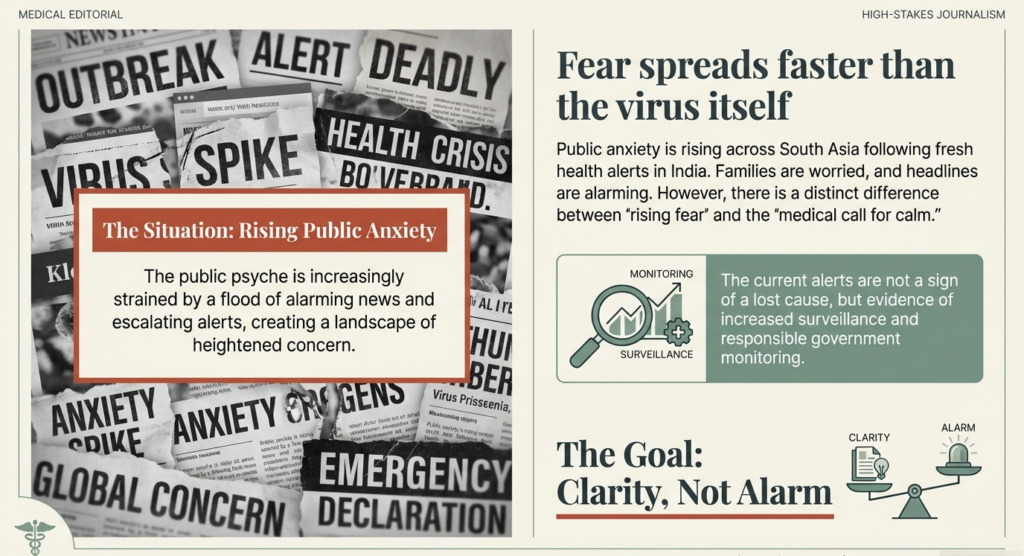
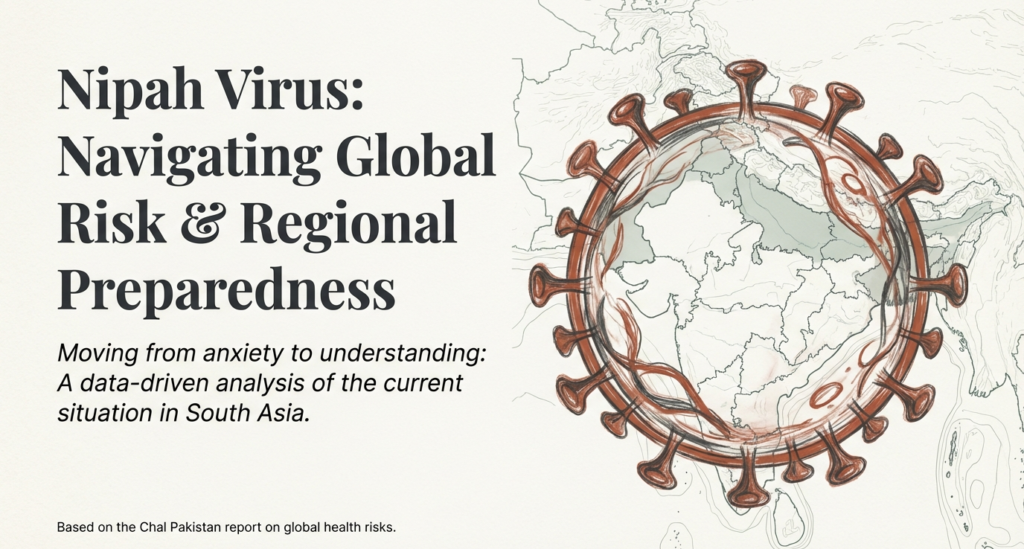
In South Asia, a familiar unease has returned as health authorities quietly tighten surveillance for a virus that never truly disappears. Recent alerts, hospital advisories, and renewed public guidance have placed the Nipah virus back into regional focus, reminding millions that emerging infections can resurface without warning. The concern is measured, not alarmist, but it is real and rooted in experience.
Breaking Context: Why Nipah Is Back in the Conversation
Public health discussions across South Asia have intensified following reports of suspected cases and heightened monitoring in parts of India and Bangladesh during the past year. While no widespread outbreak has been declared, the reactivation of emergency protocols has drawn attention to a pathogen known for its high fatality rate and complex transmission patterns. The renewed vigilance reflects lessons learned from past clusters and a broader regional commitment to early detection.
Health officials, clinicians, and epidemiologists agree that awareness, rather than panic, is the most effective response. The Nipah virus has appeared sporadically in South Asia since it was first identified in the late 1990s, often linked to animal-to-human transmission and limited human-to-human spread. Each episode has reinforced the need for preparedness, cross-border coordination, and community education.
Who Is Affected and Where the Risk Lies
South Asia remains a region of concern due to its dense populations, close human–animal interactions, and environmental factors that can facilitate spillover events. Bangladesh and India have reported the majority of confirmed cases over the years, with occasional alerts prompting monitoring in neighboring countries, including Pakistan.
The virus primarily affects individuals who come into contact with infected animals or contaminated food sources. Healthcare workers and caregivers can also face elevated risk if infection control measures are insufficient. Although cases remain relatively rare, the severity of illness means that even small clusters demand serious attention.
What Is the Nipah Virus?
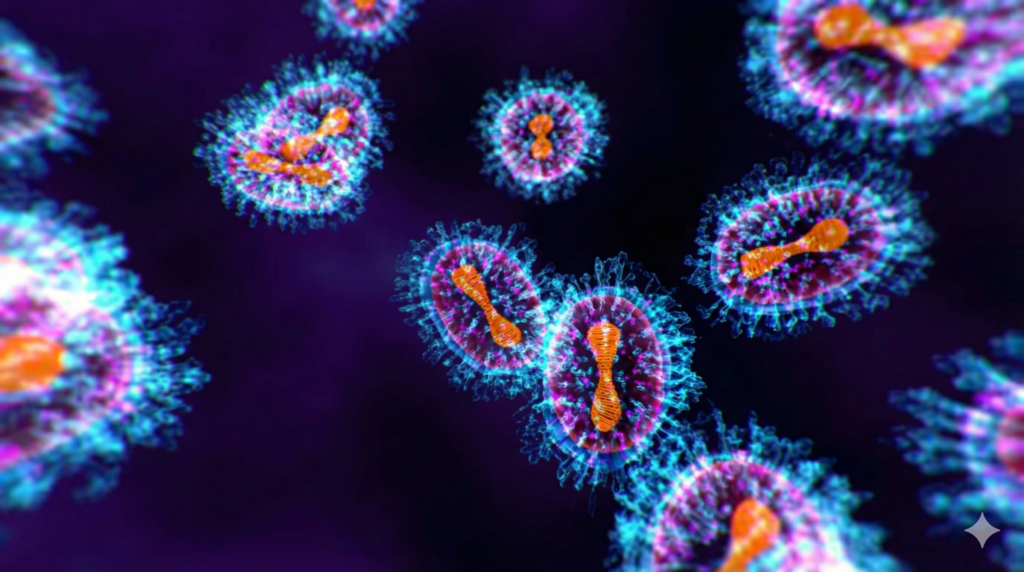
The Nipah virus is a zoonotic pathogen, meaning it can be transmitted from animals to humans. Fruit bats of the Pteropus species are considered the natural reservoir, carrying the virus without showing symptoms. Transmission to humans can occur through direct contact with infected bats, consumption of contaminated fruits or raw date palm sap, or exposure to infected animals such as pigs.
Once transmitted, the virus can cause severe respiratory illness and encephalitis, an inflammation of the brain. Symptoms may begin with fever, headache, and muscle pain, progressing to confusion, seizures, and, in severe cases, coma. The high case fatality rate has made the virus a priority for global health organizations.
When and How Outbreaks Have Occurred
Historically, outbreaks linked to the Nipah virus in South Asia have followed a seasonal pattern, often emerging during cooler months when certain food practices increase exposure risk. In Bangladesh, for example, consumption of fresh date palm sap has been closely associated with transmission events. In India, localized outbreaks have been traced to both animal contact and person-to-person spread within healthcare settings.
These patterns highlight the importance of understanding cultural and environmental contexts. Outbreaks have typically been contained through rapid response measures, including isolation of patients, contact tracing, and public advisories. However, each incident underscores how quickly localized cases can strain health systems if detection is delayed.
Why South Asia Faces Persistent Vulnerability
Several factors contribute to the region’s ongoing vulnerability. Rapid urbanization has brought humans and wildlife into closer contact, increasing the likelihood of spillover infections. Agricultural practices, deforestation, and climate variability further disrupt natural habitats, altering disease dynamics.
In addition, resource constraints in parts of South Asia can complicate early diagnosis and treatment. While laboratory capacity has improved significantly, especially after recent global health crises, gaps remain in rural and remote areas. Addressing these structural challenges is essential to reducing the long-term risk posed by the Nipah virus.
Case Trends: What the Data Shows
Available data indicates that confirmed cases of the Nipah virus remain low compared to more widespread infectious diseases. However, the virus’s fatality rate, which has ranged between 40 and 75 percent in past outbreaks, makes each case significant. Recent years have seen sporadic alerts rather than sustained transmission, suggesting that surveillance systems are detecting potential threats earlier.
Epidemiologists emphasize that trends should be interpreted carefully. A rise in reported cases does not necessarily indicate increased transmission; it may reflect improved detection and reporting. Transparency in data sharing among South Asian countries has helped build a clearer regional picture, supporting coordinated responses.
Clinical Response and Treatment Options
There is currently no specific antiviral treatment approved exclusively for the Nipah virus. Medical care focuses on supportive treatment, managing symptoms, and preventing complications. Intensive care, including respiratory support, is often required for severe cases.
Experimental therapies and vaccine candidates are under development, with several international research initiatives exploring promising approaches. While these efforts have not yet resulted in a widely available vaccine, they represent important progress. In the meantime, strict infection control practices in healthcare settings remain the cornerstone of patient management.
Safety Measures at the Community Level
Public health guidance emphasizes prevention as the most effective defense against the Nipah virus. Communities are advised to avoid consuming fruits that may have been partially eaten by bats and to refrain from drinking raw date palm sap unless it has been properly processed. Simple measures, such as washing fruits thoroughly and covering sap collection containers, can significantly reduce risk.
Education campaigns play a crucial role in disseminating these messages. When communities understand how transmission occurs, they are better equipped to adopt protective behaviors without fear or stigma.
Hospital Preparedness and Infection Control
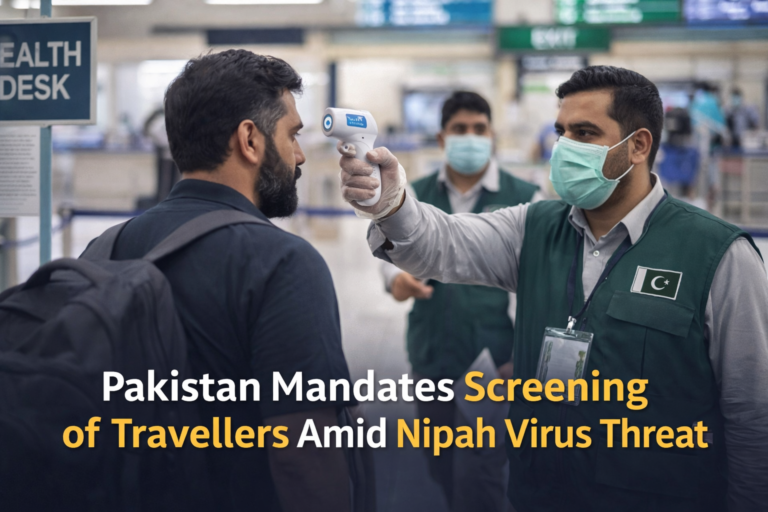
Healthcare facilities across South Asia have strengthened protocols in response to recurring alerts. Early identification of suspected cases, use of personal protective equipment, and isolation procedures are essential to preventing hospital-based transmission.
Training healthcare workers to recognize early symptoms and follow standardized guidelines has proven effective in containing past outbreaks. Continued investment in training and infrastructure will be critical to maintaining readiness, particularly in high-risk regions.
Regional Cooperation and Surveillance
The transboundary nature of infectious diseases means that no single country can address the Nipah virus risk in isolation. Regional cooperation has improved through information sharing, joint training programs, and coordinated surveillance efforts. International health organizations have supported these initiatives, recognizing South Asia as a priority region for emerging disease preparedness.
Pakistan, while not having reported confirmed outbreaks in recent years, remains engaged in regional monitoring. Authorities emphasize that preparedness is not an admission of imminent risk but a prudent measure grounded in public health best practices.
Public Communication Without Panic
One of the most challenging aspects of managing emerging infections is communicating risk without causing unnecessary alarm. Experts stress that accurate, timely information builds trust and encourages compliance with safety measures. Sensationalism, by contrast, can undermine public confidence and divert attention from practical actions.
Media organizations have a responsibility to report developments responsibly, highlighting verified information and expert guidance. Clear communication ensures that the public understands both the seriousness of the Nipah virus and the effectiveness of preventive strategies.
Lessons From Past Outbreaks
Each encounter with the Nipah virus has yielded valuable lessons. Rapid response saves lives, and delays can be costly. Community engagement, particularly in rural areas, is essential to identifying cases early and limiting spread. Trust between health authorities and the public enhances cooperation during investigations and quarantine measures.
These lessons have informed updated guidelines and response frameworks across South Asia. The challenge now lies in sustaining momentum during periods when the virus is not making headlines.
Environmental and Ecological Considerations
Long-term risk reduction requires attention to environmental factors that influence disease emergence. Protecting natural habitats, regulating wildlife trade, and promoting sustainable agricultural practices can reduce human–animal contact that facilitates spillover events.
Researchers increasingly recognize that human health is closely linked to environmental health. Addressing the ecological dimensions of the Nipah virus threat aligns with broader efforts to prevent future zoonotic diseases.
The Role of Research and Innovation
Scientific research remains central to understanding and combating the Nipah virus. Advances in diagnostic tools have improved the speed and accuracy of detection, while genomic studies are shedding light on viral evolution and transmission patterns.
Investment in regional research capacity not only benefits South Asia but also contributes to global health security. Collaborative studies and data sharing accelerate progress and ensure that findings are translated into practical solutions.
Balancing Vigilance With Daily Life
For the general public, the presence of the Nipah virus in regional discourse does not mean daily life must be disrupted. Health officials consistently emphasize that the risk to the average person remains low when basic precautions are followed. Awareness, not fear, is the guiding principle.
By staying informed through reliable sources and adhering to public health advice, communities can coexist with vigilance without sacrificing normalcy.
Looking Ahead: Preparedness as a Continuous Process
The story of the Nipah virus in South Asia is not one of constant crisis but of intermittent challenge. Preparedness must be sustained even when attention shifts elsewhere. Surveillance systems, healthcare training, and public education are long-term investments that pay dividends during moments of uncertainty.
As regional health systems continue to evolve, the capacity to detect and respond to emerging infections will only strengthen. The goal is not to eliminate risk entirely, an impossible task, but to manage it effectively and transparently.
Public Trust and the Path Forward
Trust remains the foundation of any successful public health response. When authorities communicate openly and base decisions on evidence, communities are more likely to cooperate. The handling of Nipah virus alerts in recent years suggests that this trust, while not perfect, has grown.
Maintaining that trust will require ongoing engagement, accountability, and respect for public concerns. It is a shared responsibility among governments, healthcare providers, media, and citizens.
Read Trusted Stories, Breaking News & In-Depth Blogs – Start Exploring ChalPakistan
Frequently Asked Questions
What is the Nipah virus?
The Nipah virus is a zoonotic virus that can spread from animals to humans and cause severe illness, including encephalitis.
Where has Nipah virus been reported in South Asia?
Most confirmed cases have occurred in Bangladesh and India, with monitoring in neighboring countries.
How does Nipah virus spread?
It can spread through contact with infected animals, contaminated food, or close contact with infected individuals.
What are the early symptoms of Nipah virus infection?
Early symptoms often include fever, headache, and muscle pain, which can progress to severe neurological symptoms.
Is there a vaccine for Nipah virus?
There is currently no approved vaccine, though research and clinical trials are ongoing.
How dangerous is Nipah virus?
The virus has a high fatality rate, making early detection and supportive care critical.
Can Nipah virus spread between people?
Yes, limited human-to-human transmission has been documented, particularly in healthcare settings.
What precautions can reduce the risk of infection?
Avoiding contaminated food, practicing good hygiene, and following public health guidance are key measures.
Is Pakistan at risk of a Nipah outbreak?
While no recent outbreaks have been reported, Pakistan remains vigilant through regional surveillance.
What should someone do if they suspect infection?
They should seek immediate medical care and follow instructions from health authorities.