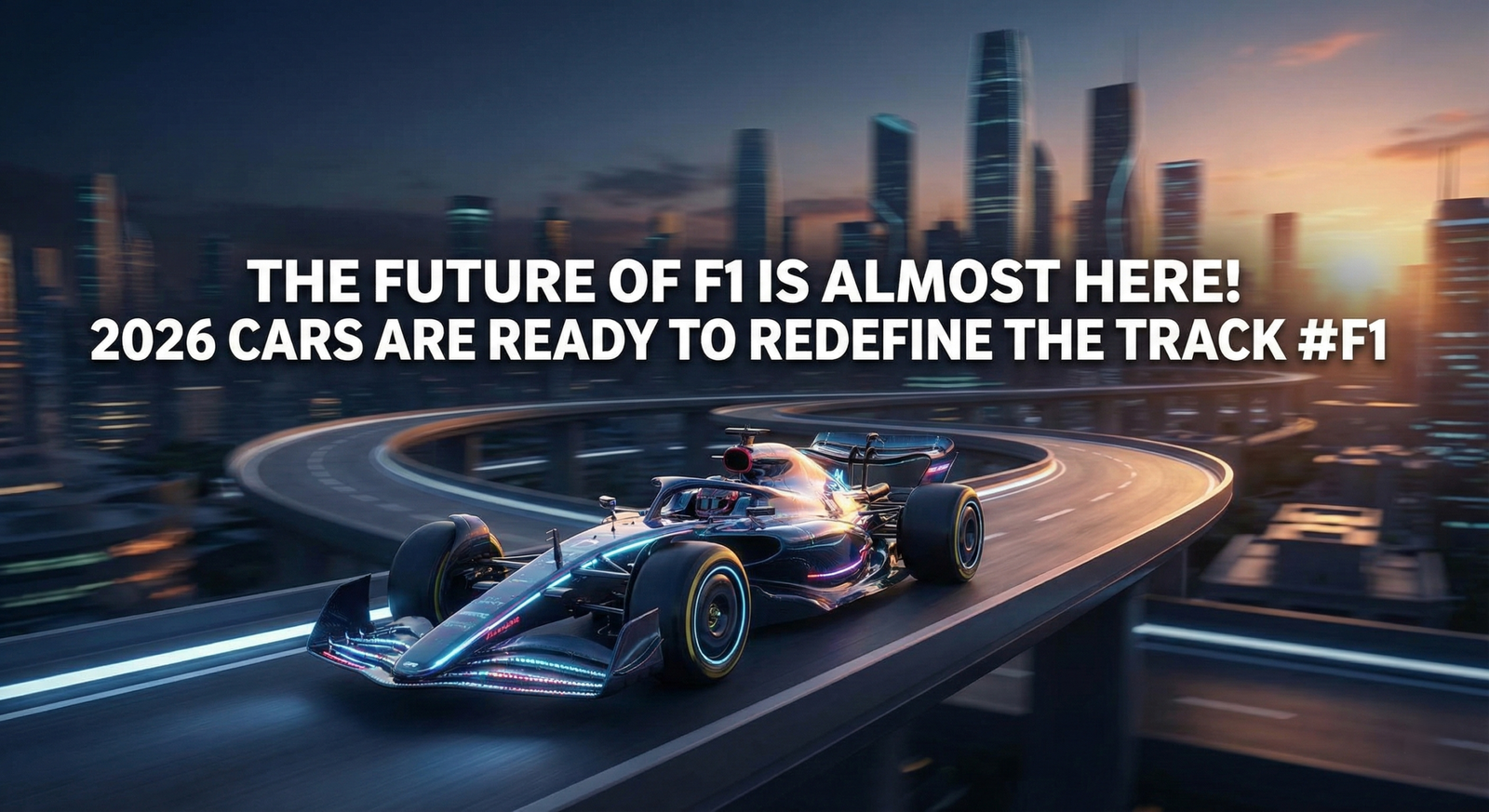
Formula One has always lived at the edge of innovation, speed, and imagination. Every decade introduces a new chapter that reshapes how fans experience racing. Now, the sport stands at another defining moment. The future of F1 is almost here, and the 2026 regulations promise to transform the grid completely. At Chal Pakistan, based in Lahore, Pakistan, we closely follow global motorsport narratives because Formula One blends technology, storytelling, and human ambition like no other sport. The arrival of Next generation F1 cars signals more than a technical update; it marks the beginning of a bold new era.
Moreover, Formula One does not simply evolve quietly. Instead, it reinvents itself with purpose. The 2026 season aims to deliver cleaner energy, closer racing, and deeper fan engagement. As engines change and designs shift, the sport prepares to balance sustainability with spectacle. This article explores how the upcoming transformation will redefine performance, competition, and the emotional experience of racing.
A New Chapter in Formula One History
Formula One history thrives on transformation. Each major regulation change reshapes the competitive order and rewrites expectations. The 2026 era continues this tradition by focusing on innovation and responsibility.
Additionally, the sport now responds to global demands for sustainability without sacrificing excitement. The Next generation F1 cars represent a carefully crafted response to modern challenges. Engineers, teams, and drivers all prepare for a future that values efficiency as much as raw speed.
Why 2026 Matters More Than Ever
The 2026 season carries exceptional importance. Formula One aims to attract new manufacturers, inspire younger audiences, and secure its future in a rapidly changing world. Regulations emphasize hybrid power, sustainable fuels, and advanced energy recovery systems.
Furthermore, these changes encourage competitive balance. Teams with smaller budgets gain opportunities to challenge established giants. As a result, Next generation F1 cars promise closer racing and unpredictable outcomes, which fans crave.
Engine Evolution and Sustainable Power
Power units define Formula One identity. The 2026 regulations introduce engines that rely more heavily on electric power while maintaining thrilling performance. Increased electrical output reduces fuel consumption and emissions.
At the same time, sustainable fuels ensure internal combustion engines remain relevant. This balanced approach allows Formula One to lead innovation without abandoning its roots. Consequently, Next generation F1 cars showcase responsibility without compromising excitement.
Aerodynamics Designed for Better Racing
Aerodynamics shape how cars interact on track. In previous eras, dirty air limited overtaking opportunities. The new regulations aim to solve this issue through smarter airflow management.
Simplified wings and refined bodywork allow cars to follow closely without losing performance. Therefore, wheel-to-wheel battles should become more frequent. Fans will witness Next generation F1 cars racing harder and closer throughout each lap.
Lighter, Smarter, and More Agile Designs
Weight reduction plays a crucial role in performance. Engineers focus on lighter materials and compact packaging to improve agility. Smaller cars enhance racing quality by allowing drivers to attack corners aggressively.
Moreover, agility increases driver influence. Skill and bravery matter more when cars respond sharply. This design philosophy ensures Next generation F1 cars reward talent and courage.
Driver Skill Takes Center Stage
Technology supports performance, but drivers remain the heart of Formula One. The 2026 changes amplify driver impact by reducing aerodynamic dependency.
As a result, racecraft, tire management, and strategic awareness gain importance. Fans will see drivers pushing limits again. These conditions elevate Next generation F1 cars into tools that highlight human excellence.
Strategy Becomes a Deciding Factor
Formula One strategy often determines outcomes. Tire choices, energy deployment, and pit timing can change races instantly. With new power systems, strategy becomes even more complex.
Teams must manage electrical energy efficiently throughout races. Mistakes carry heavy consequences. Therefore, Next generation F1 cars introduce a chess-like dimension to high-speed racing.
The Visual Identity of the New Era
Formula One cars also influence visual culture. Sleeker shapes, aggressive lines, and futuristic elements define the 2026 aesthetic. These designs appeal to younger audiences and creative industries alike.
As an expert film industry copywriter, I recognize the importance of visual storytelling. The Next generation F1 cars look cinematic, reinforcing Formula One’s image as a global spectacle.
Safety Innovations and Driver Protection
Safety remains a priority in Formula One. The 2026 cars integrate improved crash structures, advanced materials, and smarter energy absorption zones.
Furthermore, these improvements protect drivers without adding excessive weight. The sport continues proving that innovation and safety coexist. Next generation F1 cars reflect this commitment clearly.
Cost Control and Competitive Balance
Financial sustainability strengthens competition. New cost-control measures support smaller teams while maintaining innovation. Budget caps prevent excessive spending and encourage creativity.
Consequently, teams must think smarter rather than spend more. This environment creates opportunities for breakthroughs. Next generation F1 cars emerge from ingenuity rather than unlimited resources.
New Manufacturers and Global Interest
The 2026 regulations attract new manufacturers eager to showcase technology. Brands view Formula One as a platform for innovation and sustainability.
Their involvement increases competition and investment. Fans benefit from diverse engineering philosophies. With new players entering, Next generation F1 cars become symbols of global collaboration.
Fan Engagement in the Digital Era
Formula One embraces digital platforms more than ever. Data visualization, onboard footage, and real-time analytics enhance fan experiences.
Younger audiences connect through social media and streaming platforms. The futuristic appeal of Next generation F1 cars aligns perfectly with digital storytelling and immersive content.
Cultural Impact Beyond Racing
Formula One influences fashion, music, and design. Drivers become cultural icons, and teams inspire global trends. The 2026 era strengthens this influence through sustainability and innovation.
Chal Pakistan appreciates how sports narratives inspire creativity. Next generation F1 cars extend Formula One’s reach beyond circuits into popular culture.
Lessons from Formula One Innovation
Formula One teaches adaptability, teamwork, and resilience. Teams operate under extreme pressure while chasing perfection.
These lessons resonate across industries. The development of Next generation F1 cars demonstrates how innovation thrives when vision meets discipline.
Challenges Teams Must Overcome
Change brings challenges. Teams face steep learning curves while adapting to new systems. Reliability concerns may affect early races.
However, competition thrives on overcoming obstacles. These struggles often produce legendary moments. Therefore, Next generation F1 cars will write stories of perseverance and triumph.
The Emotional Experience for Fans
Racing stirs emotions deeply. Victory celebrations, heartbreaking retirements, and fierce rivalries define seasons.
The 2026 era promises renewed drama. Fans will witness fresh heroes and unexpected outcomes. Next generation F1 cars amplify emotional engagement through closer racing.
Chal Pakistan’s View on the Future of F1
At Chal Pakistan, we analyze global sports through storytelling lenses. Formula One continues evolving because it understands narrative power.
The 2026 transformation reflects ambition and responsibility. Next generation F1 cars embody progress while preserving racing soul.
Conclusion
The future of Formula One stands on the horizon, and the 2026 season promises a remarkable transformation. From sustainable engines to closer racing, the sport prepares to redefine itself once again.
For fans in Lahore, Pakistan, and worldwide, this evolution delivers excitement, innovation, and inspiration. As engines roar and lights go out, Next generation F1 cars will shape a thrilling new chapter in motorsport history.
FAQs
What are Next generation F1 cars?
They are the 2026 Formula One cars designed with new regulations focused on sustainability, closer racing, and innovation.
Why is 2026 important for Formula One?
The season introduces major technical changes that redefine performance and competition.
Will racing become closer with new cars?
Yes, improved aerodynamics allow cars to follow more closely.
Do 2026 cars use sustainable fuels?
Yes, sustainable fuels play a key role in the new power units.
How do new engines affect performance?
They increase electrical power while reducing emissions.
Will driver skill matter more in 2026?
Yes, reduced aerodynamic dependency highlights driver talent.
Are new manufacturers joining Formula One?
The regulations attract new manufacturers and investors.
How does this change affect fans?
Fans will enjoy closer racing, stronger storytelling, and modern visuals.
Do Next generation F1 cars improve safety?
Yes, advanced materials and designs enhance driver protection.
Why does Chal Pakistan follow Formula One closely?
Because Formula One combines innovation, culture, and storytelling that inspire creative industries.