Inflation continues to dominate economic conversations across Pakistan, especially among households struggling to manage daily expenses. Rising prices affect food, fuel, housing, healthcare, and education, leaving little room for financial comfort. In cities like Lahore, families increasingly feel the squeeze as wages fail to keep pace with expenses. Media platforms such as Chal Pakistan consistently highlight how the Inflation Rate in Pakistan shapes everyday decisions and long-term planning. Understanding why inflation remains high, how it impacts different sectors, and what the future may hold helps citizens respond wisely rather than react emotionally.
Economic pressure does not emerge overnight. Instead, inflation builds gradually through policy choices, global trends, and structural weaknesses. While authorities introduce measures to control price increases, results often take time. Therefore, examining the roots and consequences of inflation offers clarity for people navigating uncertain financial conditions.
Understanding Inflation in Simple Terms
Inflation refers to the general rise in prices over time. When inflation increases, money loses purchasing power. A basket of groceries that once cost one thousand rupees may now cost fifteen hundred rupees. This change forces households to spend more for the same goods.
In Pakistan, inflation reflects both domestic and international influences. Energy prices, currency depreciation, and supply disruptions contribute significantly. As a result, the Inflation Rate in Pakistan affects not only consumer behavior but also business confidence and investment decisions.
Why Inflation Remains High in Pakistan
Several interconnected factors keep inflation elevated. First, currency depreciation increases import costs. Pakistan relies heavily on imported fuel, machinery, and raw materials. When the rupee weakens, import prices rise immediately.
Second, global inflation influences local markets. International fuel prices and commodity costs directly impact domestic prices. Third, supply chain disruptions and hoarding worsen shortages, driving prices higher.
Finally, fiscal imbalances and high borrowing costs contribute to inflationary pressure. Together, these factors explain why the Inflation Rate in Pakistan remains stubbornly high.
Impact of Inflation on Food Prices
Food inflation hurts households the most. Essential items like wheat flour, rice, cooking oil, and vegetables experience frequent price hikes. Families reduce portion sizes or switch to cheaper alternatives.
Seasonal shortages and transportation costs further increase food prices. Farmers face higher input costs, which they pass on to consumers. Consequently, food insecurity becomes a serious concern for low-income households.
In Lahore, urban consumers feel the impact sharply due to dependence on markets rather than self-produced food.
Fuel and Energy Costs Driving Inflation
Fuel prices influence nearly every sector. Transportation, electricity generation, and manufacturing rely heavily on fuel. When fuel prices rise, costs spread quickly across the economy.
Electricity tariffs also contribute to inflation. Higher energy bills increase household expenses and business operating costs. Small businesses struggle to survive under rising utility charges.
Energy sector inefficiencies amplify these challenges. Until structural reforms succeed, fuel-driven inflation will continue affecting the Inflation Rate in Pakistan.
Housing and Rent Pressures in Urban Areas
Housing costs rise steadily, especially in major cities. Rent increases strain monthly budgets, leaving less money for other needs. Construction material costs also rise due to inflation.
Urban migration adds pressure on housing demand. Limited supply combined with higher input costs pushes rents upward. Many families downsize or relocate to manage expenses.
Housing inflation significantly shapes urban living standards and overall cost of living.
Healthcare Costs and Inflation
Healthcare inflation creates serious concerns. Medicine prices increase frequently, making treatment unaffordable for many. Hospital charges and diagnostic costs also rise.
Chronic patients suffer the most because they require continuous medication. Inflation forces families to choose between healthcare and other essentials.
Public healthcare facilities face budget constraints, affecting service quality. As inflation persists, healthcare accessibility becomes a growing challenge.
Education Expenses Under Inflationary Pressure
Education costs rise alongside inflation. School fees, books, uniforms, and transportation expenses increase annually. Many parents struggle to afford quality education for their children.
Private institutions adjust fees to cover rising operational costs. Even public institutions face funding challenges that affect resources.
Education inflation threatens long-term human capital development, which indirectly influences future economic stability.
Wages Versus Inflation Reality
Wages rarely keep pace with inflation. While prices rise quickly, salary adjustments occur slowly or not at all. This gap reduces real income.
Public sector employees sometimes receive inflation allowances, yet private sector workers often lack such protection. As a result, purchasing power declines steadily.
This imbalance explains why the Inflation Rate in Pakistan feels more severe than official figures suggest.
Inflation’s Effect on Small Businesses
Small businesses face shrinking margins. Higher input costs reduce profitability, forcing price increases or downsizing. Some businesses close entirely.
Retailers struggle to predict costs and demand. Frequent price changes confuse customers and disrupt planning.
Entrepreneurs delay expansion due to uncertainty. Therefore, inflation slows economic activity at the grassroots level.
Role of Monetary Policy in Controlling Inflation
The central bank uses interest rates to manage inflation. Higher interest rates reduce borrowing and spending, which can slow price growth.
However, high rates also discourage investment and increase loan costs. Balancing inflation control with economic growth remains challenging.
Monetary tightening may show results gradually, influencing the Inflation Rate in Pakistan over time rather than immediately.
Government Measures to Address Inflation
Authorities introduce subsidies, price controls, and relief packages to protect vulnerable groups. Utility subsidies aim to reduce energy costs.
However, subsidies strain government finances and sometimes distort markets. Effective targeting becomes crucial to avoid waste.
Structural reforms promise longer-term solutions, yet implementation requires political will and consistency.
Global Factors Affecting Domestic Inflation
Global commodity prices, geopolitical tensions, and supply chain disruptions influence local inflation. Oil price fluctuations impact transportation and energy costs directly.
International interest rate trends affect capital flows and currency stability. External shocks often spill into domestic markets.
Pakistan’s economic openness makes it sensitive to global inflation trends.
Currency Depreciation and Inflation Link
Currency depreciation raises import costs instantly. Since Pakistan imports fuel, food items, and machinery, depreciation fuels inflation.
Stabilizing the currency requires strong foreign reserves and export growth. Without these, inflationary pressure persists.
Currency stability remains central to managing the Inflation Rate in Pakistan effectively.
Inflation and Poverty Levels
Inflation pushes more people below the poverty line. Fixed-income households struggle to cope with rising expenses.
Social safety nets attempt to cushion the impact, yet coverage remains limited. Inflation erodes the effectiveness of assistance programs.
Addressing poverty requires controlling inflation alongside income support measures.
Psychological Impact of Rising Prices
Inflation creates stress and anxiety. Uncertainty about future prices affects spending behavior and mental health.
Families delay major purchases and reduce discretionary spending. Fear of further increases dominates financial decisions.
Public confidence weakens when inflation remains high for extended periods.
Consumer Behavior Changes Due to Inflation
Consumers adapt by prioritizing essentials. Luxury items and non-essential spending decline.
Bulk buying and discount hunting become common strategies. Some households increase informal borrowing to cope.
These behavioral shifts reflect the deep influence of the Inflation Rate in Pakistan on daily life.
Inflation Expectations and Their Role
Inflation expectations influence actual inflation. When people expect prices to rise, they demand higher wages and raise prices preemptively.
Managing expectations requires credible policies and communication. Transparency helps reduce panic-driven behavior.
Anchored expectations support stabilization efforts.
Regional Differences in Inflation Impact
Inflation affects regions differently. Urban areas face higher housing and transport costs, while rural areas face food and fertilizer price pressures.
Provincial economic structures influence inflation experiences. Lahore’s urban economy reacts differently compared to rural districts.
Understanding regional variations improves targeted policy responses.
Media’s Role in Inflation Awareness
Media platforms like Chal Pakistan play a critical role in informing citizens. Accurate reporting helps people understand causes and consequences.
Responsible journalism avoids panic while encouraging informed discussion. Highlighting the Inflation Rate in Pakistan keeps policymakers accountable.
Public awareness supports collective resilience during economic stress.
Long-Term Risks of Persistent Inflation
Prolonged inflation undermines economic growth. Investment declines as uncertainty increases.
Savings lose value, discouraging long-term financial planning. Trust in institutions erodes over time.
Preventing long-term damage requires sustained anti-inflation strategies.
Can Inflation Be Controlled Soon?
Inflation control requires coordinated efforts. Fiscal discipline, export growth, and energy reforms contribute gradually.
Short-term relief may come from global commodity price stabilization. However, domestic reforms remain essential.
Expectations of quick fixes often lead to disappointment. Realistic timelines help manage public sentiment.
Role of Exports in Reducing Inflation
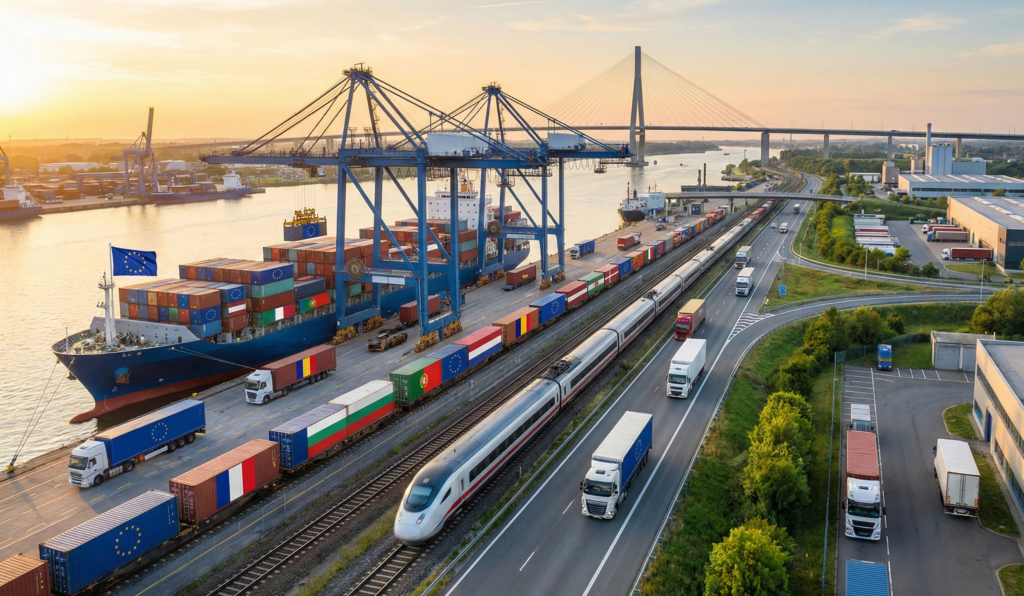
Export growth strengthens foreign reserves and supports currency stability. A stable currency reduces import-driven inflation.
Diversifying exports improves resilience. Value-added products generate higher revenue.
Export-led growth offers a pathway to managing the Inflation Rate in Pakistan sustainably.
Importance of Structural Reforms
Structural reforms address root causes. Tax reforms, energy sector improvements, and governance enhancements matter greatly.
Reforms take time yet deliver lasting benefits. Political continuity supports successful implementation.
Without reforms, inflation control remains temporary.
Social Protection During Inflationary Periods
Targeted social protection shields vulnerable populations. Cash transfers and food subsidies help maintain basic living standards.
Efficient targeting ensures resources reach those most in need. Inflation-adjusted assistance improves effectiveness.
Social stability depends on inclusive support measures.
Inflation Outlook for the Coming Years
Future inflation trends depend on policy consistency and global conditions. Gradual moderation appears possible with sustained reforms.
However, risks remain from external shocks and domestic instability. Vigilance and adaptability remain crucial.
The Inflation Rate in Pakistan will continue shaping economic narratives in the near future.
Final Thoughts on Inflation and Cost of Living
Inflation remains one of Pakistan’s most pressing economic challenges. Rising prices affect every aspect of life, from food to education.
Understanding causes empowers citizens to adapt responsibly. While relief measures provide short-term support, long-term solutions require patience and reform.
Chal Pakistan continues highlighting inflation realities to encourage informed dialogue. Managing inflation effectively will determine economic stability and social well-being in the years ahead.
FAQ Section
What is inflation in simple words?
Inflation means prices increase over time, reducing purchasing power.
Why is inflation high in Pakistan?
Currency depreciation, energy costs, and global factors drive inflation.
How does inflation affect daily life?
It increases costs of food, fuel, housing, and services.
Who suffers most from inflation?
Low-income and fixed-income households suffer the most.
Can inflation be controlled quickly?
No, inflation control usually takes time and consistent policies.
Do interest rates affect inflation?
Yes, higher rates can reduce inflation by slowing spending.
How does inflation impact businesses?
It raises costs and reduces profitability, especially for small businesses.
Is food inflation higher than overall inflation?
Often yes, due to supply and transportation issues.
Does media coverage help during inflation?
Yes, accurate reporting improves awareness and accountability.
Why is the Inflation Rate in Pakistan important?
It affects living standards, economic stability, and future growth.